E-cigarettes and wound healing: why vaping delays recovery
Vaping impairs tissue healing after surgery. Systematic reviews, clinical evidence on oral wounds, and vascular mechanisms explained.
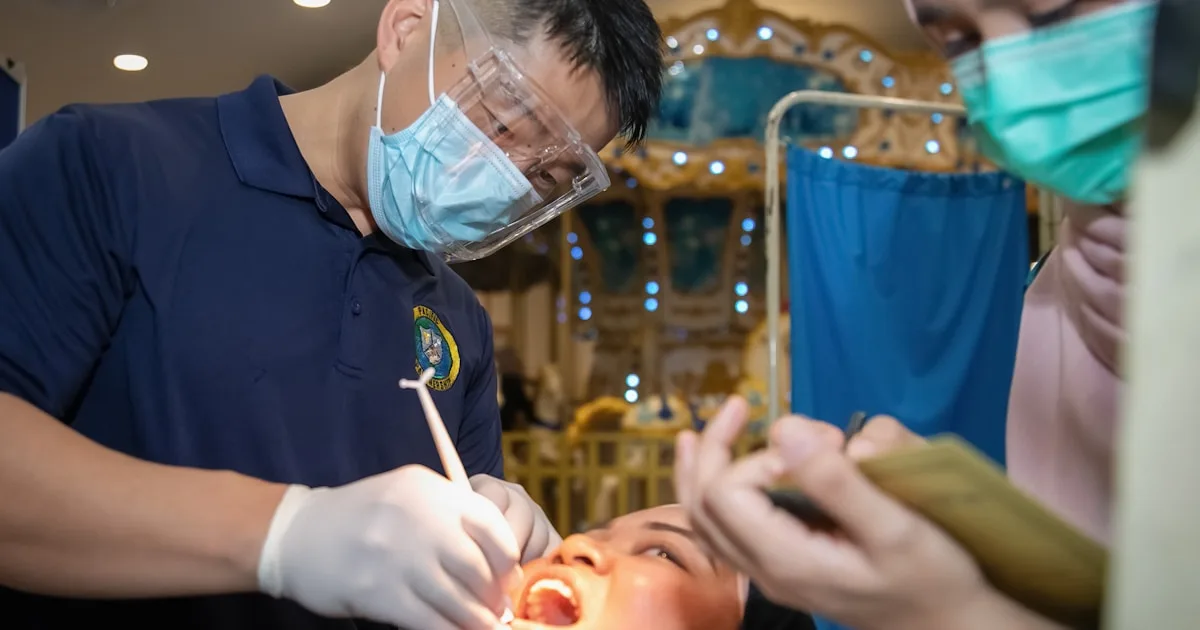
Citable definition: E-cigarettes impair tissue wound healing by reducing local blood flow, increasing oxidative stress, and disrupting angiogenesis (formation of new blood vessels). Two systematic reviews (2023) and a prospective clinical study (2024) confirm that the detrimental effect of vaping on wound healing is comparable to that of traditional cigarette smoking.
What the science reveals about vaping and wound healing
E-cigarettes are widely perceived as a “safer” alternative to traditional smoking. While this claim can be debated for some health outcomes, the evidence on wound healing is unequivocal: vaping impairs tissue repair.
A systematic review published in Surgery in 2023 analyzed 5,265 publications to identify 37 rigorous studies examining the effects of vaping on wound healing (Ashour O et al., Surgery, 2023 — PMID: 36997424). Among these 37 studies, 18 involved human volunteers (over 5,311 participants), 14 used human cell lines, and 5 used animal models. The conclusion was clear: e-cigarettes should be treated like tobacco cigarettes in the perioperative period.
A second systematic review published in the Journal of the American Academy of Dermatology in 2023 confirmed these findings for cutaneous wound healing (Thieman T et al., J Am Acad Dermatol, 2023 — PMID: 37650452). Across 13 included studies, the authors reported cases of tissue oxygenation drops and skin flap necrosis in vaping patients.
Oral wound healing: the clinical evidence
For patients undergoing dental or oral surgery, the evidence is particularly compelling. A prospective clinical study published in Evidence-Based Dentistry in 2024 compared palatal wound healing in 8 e-cigarette users and 8 age- and gender-matched non-vapers (Majid OW, Evidence-Based Dentistry, 2024 — PMID: 38279036).
Researchers performed 5 mm punch biopsies on the palate and tracked healing at 1, 2, 4, 7, 14, and 21 days. The results showed:
- Significantly more bleeding in e-cigarette users (p < 0.0001)
- Greater swelling (p = 0.0083)
- Significantly lower vimentin, keratin, and filaggrin scores at 1 and 3 weeks (p < 0.05 and p < 0.01), indicating delayed epithelial keratinization
- Altered carbohydrate and lipid metabolism in tissues between weeks 1 and 3
The authors concluded that “vaping cannot be regarded as safe for patients undergoing oral surgery” and called for systematic perioperative cessation.
The vascular mechanisms behind impaired healing
Why does vaping impair wound healing? Several mechanisms, all related to microcirculation, have been identified:
Vasoconstriction and reduced blood flow
The nicotine in e-liquids causes peripheral vasoconstriction by stimulating catecholamine release and thromboxane A2 production. According to the systematic review by Ashour et al. (2023), superficial blood flow decreases by 76.9% and deep blood flow by 28.4% after a vaping session in smokers (PMID: 36997424). A pilot study also demonstrated an acute reduction in palatal blood flow (Hedman E et al., 2024 — PMID: 38333089).
This blood flow reduction starves injured tissues of the oxygen and nutrients needed for repair. Tissue oxygenation drops acutely from 84 +/- 2 to 70 +/- 4 after e-cigarette exposure (p < 0.001) (Chaumont M et al., 2018).
Impaired angiogenesis
The formation of new blood vessels (angiogenesis) is essential for wound healing. In animal models, vaping significantly reduces VEGF (Vascular Endothelial Growth Factor) expression, the growth factor essential for neovascularization. Skin flap necrosis reaches 70.4% in the e-cigarette group versus 51.8% in controls (p = 0.005) (Jaleel Z et al., Wound Repair Regen, 2021 — cited in Ashour et al., 2023).
Oxidative stress and inflammation
Aerosol components (nicotine, propylene glycol, glycerol, flavorings, and their thermal decomposition products) increase inflammatory markers: CRP, TNF-alpha, IL-1beta, IL-6, and intercellular adhesion molecules (Ashour et al., 2023). This oxidative stress disrupts the inflammatory phase of wound healing, which is normally tightly regulated.
Direct cellular toxicity
At the cellular level, e-cigarette extracts directly damage the cells involved in tissue repair:
- Gingival fibroblasts show altered morphology, reduced proliferation, and increased apoptosis (Alanazi H et al., 2018 — cited in Ashour et al., 2023)
- Oral keratinocytes exhibit pathological responses to flavored e-liquids, with p53 and Bcl2 overexpression (Pagano S et al., J Periodontal Res, 2021)
- Endothelial cells show delayed migration, compromising new vessel formation
Surgical flap necrosis: documented cases
The JAAD systematic review (2023) reports several alarming clinical cases (PMID: 37650452):
- A patient whose free flap tissue oxygenation dropped from 70% to 19% after using an e-cigarette in the hospital bathroom
- Bilateral mastectomy flap necrosis in a regular vaping patient
- Animal studies confirming more necrosis and tissue hypoxia in animals exposed to e-cigarette vapor versus controls
These observations, while anecdotal, corroborate the data from human volunteer studies and the mechanisms identified in vitro.
What to recommend to patients before surgery
Both ESVS (European Society for Vascular Surgery) guidelines on smoking and AHA (American Heart Association) statements recommend treating e-cigarettes with the same caution as traditional tobacco. Specialists agree on the following guidance:
| Recommendation | Detail |
|---|---|
| Systematically ask | Ask patients about vaping, in addition to traditional smoking |
| Inform about risks | E-cigarettes are not “risk-free” for wound healing |
| Advise perioperative cessation | At least 4 weeks before and after surgery (by analogy with tobacco) |
| Do not consider vaping a safe alternative | Effects on healing are comparable to smoking (Ashour et al., 2023) |
| Monitor for delayed healing | Prolonged bleeding, persistent redness, wound dehiscence |
For oral surgery specifically, the study by Majid (2024) emphasizes the importance of identifying vaping habits before the procedure and implementing a tailored cessation protocol.
When to see a doctor
If you vape and are scheduled for surgery (dental, dermatologic, orthopedic, or vascular), discuss this with your surgeon or primary care physician. A cessation program, even temporary, can significantly improve your healing outcomes.
If you notice delayed healing after a procedure (a wound that won’t close, persistent redness, repeated bleeding), see your doctor promptly, especially if you are a vaper.
For more on the vascular effects of e-cigarettes, see our article on E-cigarettes and vascular disease. To understand healing mechanisms more broadly, explore our articles on vascular prevention and available treatments.
Sources:
- Ashour O, Al-Huneidy L, Noordeen H. The implications of vaping on surgical wound healing: A systematic review. Surgery. 2023;173:1452-1462. PMID: 36997424. DOI: 10.1016/j.surg.2023.02.017
- Thieman T, Westmark D, Sutton A. Electronic cigarettes and cutaneous wound healing: A systematic review. J Am Acad Dermatol. 2023;88:911-912. PMID: 37650452. DOI: 10.1016/j.jaad.2022.10.042
- Majid OW. Preliminary evidence of impaired oral wound healing in e-cigarette users: a call for perioperative vaping cessation. Evidence-Based Dentistry. 2024;25:63-64. PMID: 38279036. DOI: 10.1038/s41432-024-00982-z
- Hedman E et al. Acute effects of traditional and electronic cigarettes on palatal blood flow in smokers: A cross-over pilot study. 2024. PMID: 38333089
- Liu Z et al. Flavored and nicotine-containing e-cigarettes induce impaired angiogenesis and diabetic wound healing via increased endothelial oxidative stress and reduced NO bioavailability. Antioxidants (Basel). 2022;11:904. PMID: 35624768
This article is for informational purposes only and does not replace medical advice. If you vape and are scheduled for surgery, consult your physician or a vascular specialist for personalized guidance.
Frequently asked questions
Does vaping affect wound healing after surgery?
Should I stop vaping before dental surgery?
How do e-cigarettes impair wound healing?
How long before surgery should I stop vaping?
Petit Veinard Editorial Board
This article was written and reviewed by vascular medicine specialists. Sources: peer-reviewed journals (PubMed), ESVS guidelines, AHA/ACC recommendations, Cochrane Reviews.