Exercise and Blood Circulation: Best Activities for Your Vessels
Walking, swimming, cycling: which activities truly improve circulation? A practical, evidence-based guide to protecting your veins and arteries.
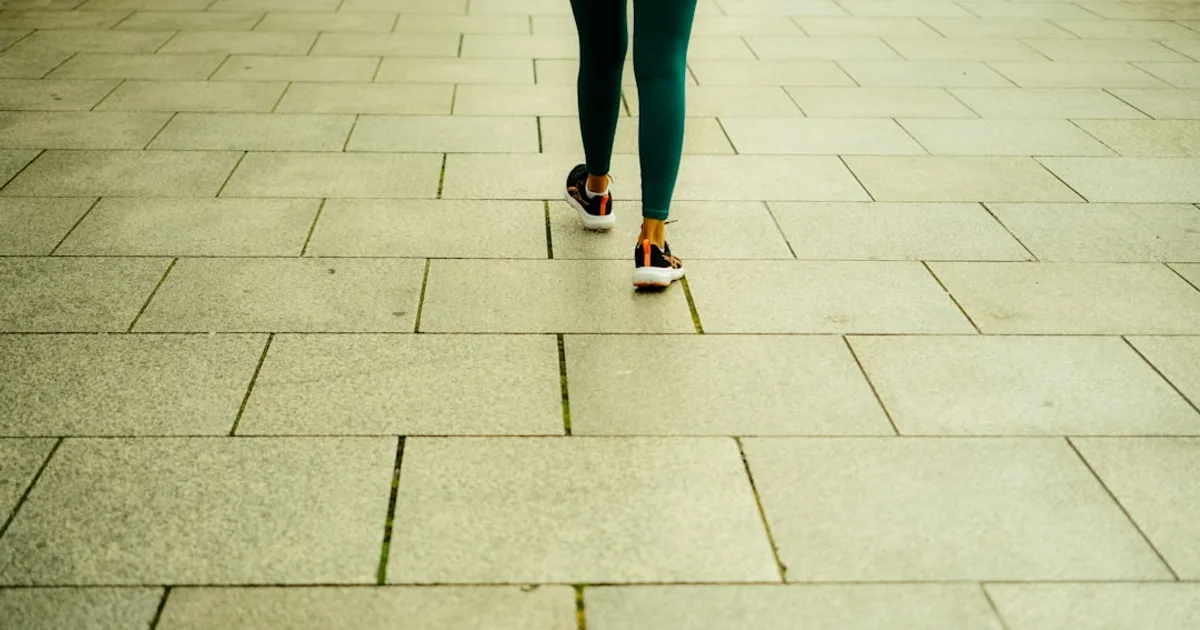
Citable definition: Regular physical activity improves blood circulation by activating the calf muscle pump, which propels blood from the legs back to the heart. Studies show that a supervised walking program increases pain-free walking distance by more than 187 meters in patients with peripheral artery disease (PMID 38722492).
Exercise and Blood Circulation: Why Movement Protects Your Vessels
A sedentary lifestyle is one of the greatest threats to your blood vessels. Sitting for several hours a day slows the return of blood to the heart. This promotes varicose veins, leg swelling, and increases the risk of blood clots.
Conversely, regular movement is one of the most powerful actions you can take to preserve the health of your arteries and veins. And the good news: you do not need to run a marathon. A daily walk is enough to produce measurable effects.
This article explains how exercise acts on your blood vessels, which activities to choose, and how to integrate more movement into your daily routine.
The Calf Muscle Pump: The Engine of Your Veins
To understand why exercise is beneficial, you need to understand how blood returns from the legs to the heart.
The veins in the lower limbs must push blood upward against gravity. To accomplish this, they rely on a remarkable mechanism: the calf muscle pump. With each contraction of the calf muscles — during walking or cycling — the deep veins are compressed. This propels blood upward, toward the heart. Valves (small flaps) then prevent the blood from flowing back down.
When you remain seated or standing without moving, this pump stops. Blood pools in the veins. Pressure builds. The legs swell, varicose veins worsen, and the risk of deep vein thrombosis (DVT — formation of a blood clot in a vein) increases.
Movement, even modest, reactivates this pump continuously.
The Most Beneficial Exercises for Your Blood Vessels
Not all exercises are equal when it comes to circulation. Here are the activities with the strongest evidence.
Walking: Simple, Effective, Proven
Walking is the most studied activity in vascular medicine. A meta-analysis published in the European Journal of Vascular and Endovascular Surgery in 2024 demonstrated that a supervised walking program of three months improves pain-free walking distance by more than 187 meters in patients with peripheral artery disease (PAD — narrowing of the leg arteries by fatty plaques) (PMID 38722492).
For healthy individuals, brisk walking (at a pace where you can talk but not sing) for 30 minutes a day, five days a week, reduces the risk of cardiovascular disease.
Swimming: Ideal for Heavy Legs
In a horizontal position in water, venous return is facilitated. The hydrostatic pressure of the water (the pressure exerted by water on the body) massages the legs uniformly, like natural compression. Swimming is particularly recommended for varicose veins, venous insufficiency, or painful joints.
Cycling: Gentle and Effective
Pedaling continuously engages the calf and thigh muscles. It activates the venous pump without impact on the joints. Cycling is accessible at any age and can be done outdoors or on a stationary bike.
Yoga and Tai Chi: For the Veins and Stress
These practices combine gentle movements, postures, and deep breathing. Deep abdominal breathing creates pressure variations in the chest that facilitate venous return to the heart. Postures that elevate the legs (such as inversions in yoga) directly promote venous drainage.
Water Walking (Aqua Aerobics)
Walking in water up to the hips combines the benefits of hydrostatic massage and the calf muscle pump. It is the ideal activity after varicose vein treatment or when joint pain is present.
Exercises to Adapt or Practice with Caution
Certain activities deserve attention — not because they are prohibited, but because they require a few adjustments.
Heavy Weightlifting and Strength Training
Intense efforts with breath-holding (the Valsalva maneuver) abruptly increase pressure in the abdominal veins. This can aggravate existing varicose veins. If you do strength training, avoid very heavy loads with breath-holding. Breathe continuously during the effort.
Tennis, Squash, and Static Standing Sports
These activities alternate between stationary phases and intense bursts. Standing still between rallies promotes venous pooling. Wear compression socks if you have varicose veins, and keep your legs moving during breaks.
Running
Running benefits the arteries and overall cardiovascular fitness. It engages the calf muscle pump. However, repeated impact may cause discomfort in patients with significant varicose veins. Wearing compression stockings during runs is recommended.
| Activity | Venous Benefit | Arterial Benefit | Accessibility | Precautions |
|---|---|---|---|---|
| Brisk walking | Excellent | Excellent | Very easy | None |
| Swimming | Excellent | Good | Easy | None |
| Cycling | Very good | Very good | Easy | Helmet |
| Yoga | Good | Moderate | Easy | Choose adapted postures |
| Aqua aerobics | Excellent | Good | Easy | None |
| Running | Good | Excellent | Moderate | Compression if varicose veins |
| Strength training | Moderate | Good | Moderate | Avoid breath-holding |
How Often and How Long?
The European Society for Vascular Surgery (ESVS 2022, PMID 35027279) and the American Heart Association (AHA) recommend:
- 150 minutes per week of moderate activity (brisk walking, easy cycling, gentle swimming)
- Or 75 minutes of vigorous activity per week
- At least 5 days per week
- 30 minutes per session as a baseline goal
For patients who already have a vascular condition (PAD, advanced varicose veins), a program supervised by a physician or physical therapist is preferable. Consult your doctor before starting an intense program if you are not accustomed to exercise.
Easy Exercises to Do at Your Desk
Workplace sedentariness is a recognized risk factor. Here are simple exercises you can integrate into your workday without needing to change clothes.
Every hour, get up for 5 minutes. A short walk to the break room activates the calf muscle pump.
Calf raises: seated or standing, raise your heels while keeping the balls of your feet on the floor. Repeat 20 times, several times a day. This movement is the most effective way to activate venous return while seated.
Ankle rotations: rotate your ankles in circles in both directions, 10 times on each side. This engages the calf muscles with minimal effort.
The 30/3 rule: no more than 30 minutes seated without moving your legs, and at least 3 calf pump movements between seated positions.
If your job requires prolonged standing (healthcare, retail, hospitality), wear compression socks and regularly shift your weight from one foot to the other.
Proven Benefits Beyond the Legs
Regular exercise improves circulation at every level:
- Arteries: it stimulates the production of nitric oxide (NO), a molecule that dilates arteries and keeps them flexible. It reduces the risk of atherosclerotic plaques (fatty deposits in the arteries).
- Blood pressure: regular physical activity reduces blood pressure by 5 to 8 mmHg in patients with hypertension.
- Weight: maintaining a healthy weight reduces pressure on the veins of the lower limbs.
- Diabetes: exercise improves insulin sensitivity, reducing damage to small blood vessels (microangiopathy).
To learn more about treatments for venous disease, see our guide on varicose veins or the endovenous laser treatment options.
When to See Your Doctor
See your doctor if you experience:
- Calf pain during exercise that disappears at rest (possible sign of peripheral artery disease)
- Swelling of one leg after exercise, especially if asymmetric
- Repeated nighttime cramps
- Chest pain or unusual shortness of breath during exercise
- A varicose vein that is growing rapidly or becoming painful
If you would like a vascular assessment before resuming physical activity, consult your primary care physician or a vascular specialist.
Read also:
- Varicose Veins: Causes, Symptoms, and Complete Treatment Guide
- Diet and Vascular Health: Protecting Your Veins and Arteries
- Peripheral Artery Disease: Symptoms, Diagnosis, and Treatment
Sources:
- Treat et al., “Supervised Exercise Therapy for Intermittent Claudication”, European Journal of Vascular and Endovascular Surgery, 2024. PMID: 38722492
- Mazzolai et al., “2022 ESC Guidelines on cardiovascular disease prevention in clinical practice”, European Heart Journal, 2022. PMID: 35027279
Medical disclaimer: This article is for informational and educational purposes only. It does not constitute medical advice, a diagnosis, or a prescription. The information presented cannot replace a consultation with a qualified healthcare professional. If you have doubts about your health or experience symptoms described in this article, consult your doctor or call emergency services (911 in the US, 999 in the UK, 112 in the EU) in case of emergency. Petit Veinard assumes no liability for the use of this information for self-diagnosis or self-medication.
Frequently asked questions
What is the best exercise for blood circulation?
Can exercise make varicose veins worse?
How long should you walk to improve circulation?
Can you exercise with varicose veins?
What exercises can you do at your desk for circulation?
Petit Veinard Editorial Board
This article was written and reviewed by vascular medicine specialists. Sources: peer-reviewed journals (PubMed), ESVS guidelines, AHA/ACC recommendations, Cochrane Reviews.