Statin Side Effects: Separating Fact From Fiction
Muscle pain, diabetes, liver damage, memory loss: which statin side effects are real? An evidence-based guide drawing on 20 studies to help you understand.
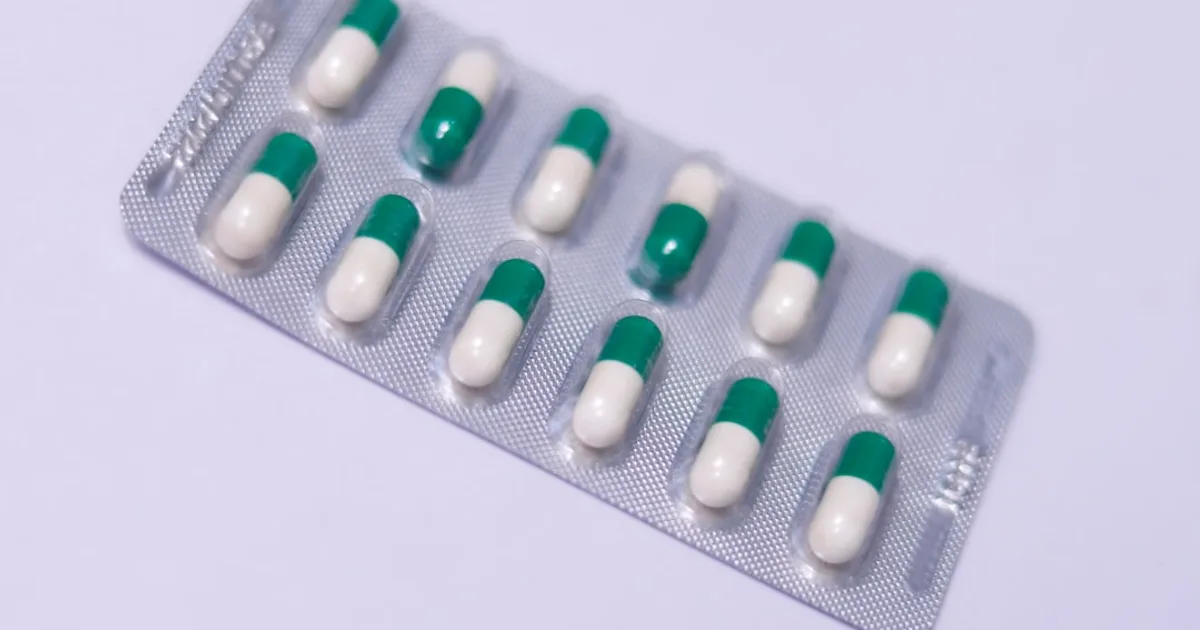
Citable definition: The side effects of statins (HMG-CoA reductase inhibitors) are the subject of many misconceptions. Data from 123,940 participants (CTT Collaboration, Lancet, 2022, PMID 36049498) show that more than 90% of muscle symptoms reported with statins are not caused by the drug itself. Of 66 candidate side effects analyzed, only 4 were confirmed as genuinely attributable to statins: elevated transaminases, clinically significant liver laboratory abnormalities, changes in urinary composition, and peripheral edema. No signal was confirmed for cognitive disorders, depression, or sleep disturbances.
Statins Have a Bad Reputation — But Do They Deserve It?
Statins are among the most widely prescribed medications worldwide. Millions of patients take them every day to protect their arteries. Yet they are also among the most frequently discontinued drugs.
The main reason? Fear of side effects.
Online forums, news articles, testimonials from friends and family — negative information spreads fast. Muscle pain, memory loss, diabetes, liver damage: the list of grievances is long. But what does the science actually say?
This article reviews the 20 most robust studies on the topic. The goal is straightforward: to distinguish what is proven, what is exaggerated, and what is clearly refuted. You will also find practical guidance if you experience symptoms or want to discuss alternatives with your doctor.
For a comprehensive overview of statin benefits in vascular disease, see our dedicated article: Statins: Benefits, Side Effects, and Vascular Treatment.
Muscle Pain: The Great Misconception
The Nocebo Effect: When Fear Creates the Symptom
Myalgia (muscle pain) is the side effect most commonly cited to justify stopping statins. But a clinical trial published in the New England Journal of Medicine in 2020 profoundly challenged this apparent certainty.
The SAMSON trial (Wood FA et al., NEJM, 2020, PMID 33196154) enrolled 60 patients who had stopped their statins because of muscle pain. Each patient received, in a blinded and monthly alternating fashion over 12 months, either a statin (atorvastatin 20 mg), a placebo, or no tablet. The result: 90% of symptoms reported with the statin were reproduced identically with placebo. The drug effect accounted for only 10% of total symptom burden.
This phenomenon is called the nocebo effect — from the Latin “I shall harm.” It is the mirror image of the placebo effect: the mere belief that a medication will cause side effects is enough to generate them, even without any biological action. Negative media coverage of statins amplifies this effect.
The CTT Collaboration (Baigent C et al., Lancet, 2022, PMID 36049498), which analyzed individual participant data from 123,940 patients, confirms: the excess of myalgia attributable to statins is only 7% in the first year of treatment, and this signal fades over the long term. The vast majority of muscle pain reported with statins is unrelated to the drug.
The diagnostic algorithm proposed by Penson PE et al. for the ILEP (J Cachexia Sarcopenia Muscle, 2022, PMID 35969116) provides a structured clinical framework to distinguish the nocebo effect from genuine muscle intolerance.
True Statin-Related Myopathies: Rare but Real
This does not mean that all muscle pain is psychosomatic. A real spectrum of myotoxicity exists, with widely varying frequency depending on severity (EAS Consensus Panel, Stroes ES et al., Eur Heart J, 2015, PMID 25694464):
| Type | Frequency | Laboratory marker | Management |
|---|---|---|---|
| Myalgia (pain without enzyme abnormality) | 7–29% in open-label studies, ~1–3% in controlled trials | CK normal | Blood tests, nocebo assessment, dose review |
| Myositis (muscle inflammation) | Approximately 1 in 1,000 | CK > 10x upper limit of normal | Dose reduction or switch to another statin |
| Myopathy | 1 in 1,000 to 1 in 10,000 | CK > 10x ULN + muscle weakness | Stop the statin, close monitoring |
| Rhabdomyolysis (massive muscle destruction) | Very rare, < 1 in 10,000 | CK > 40x ULN + myoglobinuria | Immediate discontinuation, medical emergency |
The full spectrum of statin myotoxicity has been described in detail by Fernandes V et al. (Endocrinol Nutr, 2016, PMID 27005745).
If you experience unusual muscle pain while taking a statin, talk to your doctor before stopping treatment. A simple CK blood test (a muscle enzyme marker) can guide the decision within hours.
Rhabdomyolysis: The Rare but Real Worst-Case Scenario
Rhabdomyolysis is the most severe form of myotoxicity. It involves massive breakdown of muscle cells that release their contents into the bloodstream, including myoglobin. This protein can clog the kidney tubules and cause acute kidney injury.
The hallmark signs are: severe, widespread muscle pain, marked muscle weakness, and dark urine (brownish-red, resembling strong tea) — a sign of myoglobinuria.
The mechanism involves inhibition of coenzyme Q10 (CoQ10) by statins — the mevalonate pathway blocked by statins also produces CoQ10, which is essential to the mitochondrial respiratory chain in muscle cells (Safitri N et al., Drug Healthc Patient Saf, 2021, PMID 34795533).
Pharmacovigilance data confirm that the risk is real but exceedingly rare. Garcia Rodriguez LA et al. (2010, PMID 20922707), in a large pharmacovigilance study, found no statistically significant difference in rhabdomyolysis risk between statin users and non-users in the general population, underscoring the absolute rarity of this event.
Well-established risk factors for genuine myotoxicity include:
- Chronic kidney disease or liver impairment
- Untreated hypothyroidism
- Advanced age or low body weight
- Unusual intense physical exertion
- Drug interactions (see dedicated section)
- SLCO1B1 genetic variant (see dedicated section)
Seek emergency medical attention if you notice dark-colored urine while on a statin, even in the absence of significant muscle pain.
The Liver: Transaminases and Real Hepatotoxicity
What the Studies Show
Liver toxicity from statins is frequently cited as a contraindication or a reason to stop treatment. The reality is more nuanced.
The CTT Collaboration 2026 (PMID 41655587) is the most recent and robust reference on this topic. It confirms that statins cause an excess of 0.08% per year of clinically significant liver laboratory abnormalities. This is a real signal, but of very modest magnitude.
True drug-induced liver injury (DILI) — meaning liver damage caused by statins that requires intervention — is rare. Russo MW et al. (Hepatology, 2014, PMID 24700436) analyzed a US DILI reference cohort: statins accounted for approximately 3% of registered cases, with a clinical presentation that was generally benign and resolved upon discontinuation.
Elevated transaminases (AST and ALT, the liver enzymes measured in standard blood tests) occur in approximately 3% of patients, most often early in treatment. This elevation is usually transient and asymptomatic. It does not reflect permanent liver damage.
What This Means in Practice
Cirrhosis or end-stage liver failure caused by statins are exceptional events in the international literature. Patients with non-alcoholic fatty liver disease (NAFLD) may actually benefit from statins, which have a demonstrated hepatoprotective effect in this population.
Routine liver monitoring before and during treatment remains recommended, but its frequency has been relaxed in recent guidelines. Your doctor will tailor the monitoring schedule to your individual situation.
New-Onset Diabetes: Real, but Requires Context
The Signal Exists
Statins modestly increase the risk of type 2 diabetes. This signal is established and reproducible. The landmark meta-analysis by Sattar N et al. (Lancet, 2010, PMID 20167359), encompassing 91,140 participants across 13 trials, quantified this risk: +9% new-onset diabetes, equivalent to approximately 1 additional case per 255 patients treated for 4 years.
The biological mechanism is partially understood. Statins appear to interfere with the GLUT4 transporter, which facilitates glucose entry into muscle cells. Reduced GLUT4 expression under statins may contribute to insulin resistance (Yaluri N et al., Biochem Biophys Res Commun, 2016, PMID 27743890). Other mechanisms involving pancreatic insulin secretion have also been described (Brault M et al., Metabolism, 2014, PMID 24641882).
Putting the Numbers in Perspective
This diabetes risk should not be interpreted in isolation. Preiss D et al. (JAMA, 2011, PMID 21693744) directly compared, in a meta-analysis of 5 intensive-statin trials, the diabetes risk against the cardiovascular benefit:
| Indicator | Value | Meaning |
|---|---|---|
| Cardiovascular NNT (intensive statins) | 155 patients/year | 1 major cardiovascular event prevented for every 155 patients treated for 1 year |
| Diabetes NNH (intensive statins) | 498 patients/year | 1 case of diabetes caused for every 498 patients treated for 1 year |
| Benefit-risk ratio | 3.2 | For every case of diabetes caused, 3.2 cardiovascular events are prevented |
The benefit-risk ratio is therefore strongly favorable, even accounting for the diabetes risk. This risk mainly affects people already predisposed: prediabetes, metabolic syndrome, obesity, and advanced age. It is not a reason to stop or refuse a statin if your doctor prescribes one.
SLCO1B1 Genetic Testing: Toward Personalized Medicine
A Gene That Changes Everything for Muscle Risk
Since 2008, an important genetic finding has been established. The SEARCH Collaborative (NEJM, 2008, PMID 18650507) identified a variant in the SLCO1B1 gene — which encodes the hepatic transporter OATP1B1 — as a major risk factor for statin-induced myopathy.
The rs4149056 variant (C allele, known as SLCO1B1*5) reduces statin uptake into the liver, leading to elevated plasma levels and increased muscle toxicity. The SEARCH data are striking: each C allele multiplies the risk of severe myopathy by 4.5-fold, and this variant explains approximately 60% of myopathies on simvastatin 80 mg.
Practical Implications
The CPIC guidelines (Clinical Pharmacogenomics Implementation Consortium), updated by Cooper-DeHoff RM et al. (Clin Pharmacol Ther, 2022, PMID 35152405), now recommend testing for this variant in patients at risk or presenting with unexplained myalgia. Based on genotype, the recommendations are:
- Low-risk genotype (CC): all statins are appropriate
- Intermediate-risk genotype (TC): avoid high-dose simvastatin; prefer atorvastatin, rosuvastatin, or pravastatin
- High-risk genotype (TT, unfavorable allele): favor statins with lower muscle risk (pravastatin, pitavastatin)
This genetic test is available through pharmacogenomics laboratories in many countries. Ask your doctor if you experience recurrent or unexplained muscle pain while taking statins.
The impact of the SLCO1B1 variant on drug interactions has been further detailed by Hirota T et al. (Expert Opin Drug Metab Toxicol, 2020, PMID 32729746), who also describe the role of CYP3A4 and OATP1B1 in statin pharmacokinetics.
CoQ10 Supplementation: It Does Not Work
An Appealing Idea, but Not Validated
The logic seems sound: statins reduce coenzyme Q10 (CoQ10) production via the mevalonate pathway; CoQ10 is essential for mitochondrial function in muscle; therefore, supplementing CoQ10 should reduce muscle pain.
The problem: this logic does not withstand the test of clinical trials.
Two meta-analyses of randomized controlled trials (the highest level of evidence) rigorously evaluated this question:
- Kennedy C et al. (Atherosclerosis, 2020, PMID 32179207): meta-analysis of 7 randomized trials — no efficacy of CoQ10 supplementation on statin-associated myalgia.
- Wei H et al. (Ir J Med Sci, 2022, PMID 33999383): meta-analysis of 8 randomized trials — confirming the absence of efficacy.
It is true that statins lower circulating CoQ10 levels. However, this reduction in blood levels does not necessarily reflect a functional muscle deficit, and the mechanism of true statin myalgia is likely more complex (Mollazadeh H et al., J Cachexia Sarcopenia Muscle, 2021, PMID 33511728).
CoQ10 supplementation is not recommended by any major cardiology or vascular society for preventing or treating statin-associated myalgia. It remains, however, an unnecessary expense for many patients who use it.
Drug Interactions: Which Statins Are at Risk?
Not all statins are equal when it comes to drug interactions. Understanding these interactions is essential, as some significantly increase the risk of myopathy.
Hirota T et al. (Expert Opin Drug Metab Toxicol, 2020, PMID 32729746) and Mollazadeh H et al. (2021, PMID 33511728) established the main metabolic pathways involved:
| Statin | Primary metabolism | High-risk interactions | Risk level |
|---|---|---|---|
| Simvastatin | CYP3A4 + OATP1B1 | Clarithromycin, amiodarone, verapamil, cyclosporine, grapefruit juice | High |
| Atorvastatin | CYP3A4 | Clarithromycin, azole antifungals, ritonavir | Moderate |
| Rosuvastatin | OATP1B1 (little CYP) | Cyclosporine, gemfibrozil | Moderate |
| Pravastatin | No major CYP involvement | Cyclosporine (monitoring) | Low |
| Pitavastatin | Minimal CYP involvement | Cyclosporine | Low |
| Fluvastatin | CYP2C9 | Fluconazole | Low–moderate |
High-dose simvastatin (80 mg) is particularly affected by interactions and by the SLCO1B1 variant. It has been progressively abandoned in newer guidelines in favor of atorvastatin or rosuvastatin.
Always report all of your medications — including dietary supplements and over-the-counter drugs — to your doctor and pharmacist.
What to Do If You Cannot Tolerate Your Statin
Intolerance to one statin does not mean intolerance to all statins. This distinction is critical: many patients permanently abandon statins after a bad experience with a single molecule, often high-dose simvastatin.
Practical Options
1. Switch to a different statin
Pravastatin and pitavastatin are the two statins with the lowest muscle penetration and no significant CYP3A4 metabolism. Observational studies show improved muscle tolerability in patients who experienced myalgia on other statins.
2. Reduce the dose or space out doses
A lower dose, or dosing three times per week rather than daily (particularly for rosuvastatin, which has a long half-life), sometimes maintains an acceptable benefit with better tolerability. This strategy should be discussed with your doctor.
3. Confirm or rule out causality through rechallenge
If doubt remains about whether the statin is truly responsible, a structured rechallenge — ideally double-blinded — can settle the question. The SAMSON method can be adapted for routine practice: alternating statin and placebo over several weeks, with self-assessment of symptoms.
4. Consider a non-statin alternative
In cases of confirmed intolerance to all statins, other medications can lower LDL cholesterol: ezetimibe, PCSK9 inhibitors (evolocumab, alirocumab), and bempedoic acid. These options are reserved for patients at high cardiovascular risk and require specialist input.
For a complete evaluation of your statin tolerability and overall vascular risk, consult your primary care physician or a vascular specialist.
What the Studies Do Not Confirm
The CTT Collaboration 2026 (PMID 41655587) is the most exhaustive meta-analysis ever conducted on statin side effects. Of 66 candidate adverse effects evaluated, only 4 were confirmed as genuinely caused by statins:
- Elevated hepatic transaminases
- Clinically significant liver laboratory abnormalities
- Changes in urinary composition
- Peripheral edema
The following effects, frequently reported by patients, received no confirmation in this analysis:
- Cognitive impairment or memory loss
- Depression or mood disorders
- Sleep disturbances
- Erectile dysfunction
- Chronic fatigue (beyond documented myalgia)
- Peripheral neuropathy
This does not mean that these symptoms are nonexistent in individual patients. It means that, statistically, statins do not increase their frequency compared to placebo in controlled trials.
When to See Your Doctor
See your doctor if:
- You experience muscle pain while taking a statin — before stopping the medication
- Your urine turns dark (brownish-red) — this is an emergency sign
- You stopped your statin because of side effects without consulting your doctor
- You want to evaluate your SLCO1B1 genetic profile
- You take multiple medications simultaneously and are concerned about interactions
Never modify your statin therapy without your doctor’s agreement. Abrupt discontinuation exposes you to a rebound in LDL cholesterol and potential destabilization of atherosclerotic plaques.
Read also:
- Statins: Benefits, Side Effects, and Vascular Treatment
- Diet and Vascular Health: Protecting Your Veins and Arteries
- ESVS 2024 Guidelines: What Changes for Peripheral Artery Disease
References:
-
CTT Collaboration (Baigent C et al.). Effect of statin therapy on muscle symptoms: an individual participant data meta-analysis of large-scale, randomised, double-blind trials. Lancet. 2022; 400(10355): 832-845. PMID 36049498
-
CTT Collaboration. Efficacy and safety of statin therapy across 66 outcomes: meta-analysis of individual participant data from 175,000 participants in 24 randomised controlled trials. Lancet. 2026. PMID 41655587
-
Stroes ES, Thompson PD, Corsini A et al. (EAS Consensus Panel). Statin-associated muscle symptoms: impact on statin therapy — European Atherosclerosis Society Consensus Panel Statement. Eur Heart J. 2015; 36(17): 1012-22. PMID 25694464
-
Fernandes V, Hernandez N, Perez-Diano M et al. Statin-associated myopathy: a review. Endocrinol Nutr. 2016; 63(5): 239-49. PMID 27005745
-
Wood FA, Howard JP, Finegold JA et al. (SAMSON Trial). N-of-1 Trial of a Statin, Placebo, or No Treatment to Assess Side Effects. NEJM. 2020; 383(22): 2182-84. PMID 33196154
-
Penson PE, Mancini GBJ, Toth PP et al. (ILEP). Introducing the ‘Drucebo’ effect in statin therapy: a systematic review of studies comparing reported rates of statin-associated muscle symptoms, under blinded and open-label conditions. J Cachexia Sarcopenia Muscle. 2022; 13(1): 122-133. PMID 35969116
-
Safitri N, Arfijanto MV, Murwono B et al. Statin-induced rhabdomyolysis: pathomechanism, risk factors, and management. Drug Healthc Patient Saf. 2021; 13: 215-225. PMID 34795533
-
Garcia Rodriguez LA, Masso-Gonzalez EL, Wallander MA, Johansson S. The risk of acute liver injury associated with coxibs and other NSAIDs: the SOS project. Pharmacoepidemiol Drug Saf. 2010; 19(3): 266-72. PMID 20922707
-
Russo MW, Hoofnagle JH, Gu J et al. Spectrum of statin hepatotoxicity: experience of the drug-induced liver injury network. Hepatology. 2014; 60(2): 679-86. PMID 24700436
-
Sattar N, Preiss D, Murray HM et al. Statins and risk of incident diabetes: a collaborative meta-analysis of randomised statin trials. Lancet. 2010; 375(9716): 735-42. PMID 20167359
-
Preiss D, Seshasai SR, Welsh P et al. Risk of Incident Diabetes With Intensive-Dose Compared With Moderate-Dose Statin Therapy: A Meta-analysis. JAMA. 2011; 305(24): 2556-64. PMID 21693744
-
Yaluri N, Modi S, Kokkola T. Simvastatin induces insulin resistance in L6 skeletal muscle myotubes by suppressing mitochondrial function and glucose transporter 4 (GLUT4) expression. Biochem Biophys Res Commun. 2016; 480(2): 194-200. PMID 27743890
-
Brault M, Ray J, Gomez YH, Mantzoros CS, Daskalopoulou SS. Statin treatment and new-onset diabetes: a review of proposed mechanisms. Metabolism. 2014; 63(6): 735-45. PMID 24641882
-
SEARCH Collaborative Group (Link E et al.). SLCO1B1 variants and statin-induced myopathy — a genomewide study. NEJM. 2008; 359(8): 789-99. PMID 18650507
-
Cooper-DeHoff RM, Niemi M, Ramsey LB et al. (CPIC). The Clinical Pharmacogenomics Implementation Consortium Guideline for SLCO1B1, ABCG2, and CYP2C9 genotypes and Statin-Associated Musculoskeletal Symptoms. Clin Pharmacol Ther. 2022; 111(5): 1007-1021. PMID 35152405
-
Kennedy C, Koller U, Susekov A. Comparison of the effects of coenzyme Q10 and placebo on muscle function in patients taking statins. Atherosclerosis. 2020; 299: 1-8. PMID 32179207
-
Wei H, Chen X, Cong X et al. Efficacy of Coenzyme Q10 in Reducing the Incidence of Statin-Induced Myalgia: A Meta-analysis of Randomized Controlled Trials. Ir J Med Sci. 2022; 191(2): 649-657. PMID 33999383
-
Hirota T, Ieiri I. Drug-drug interactions that interfere with statin metabolism. Expert Opin Drug Metab Toxicol. 2020; 16(9): 751-766. PMID 32729746
-
Mollazadeh H, Tavana E, Fanni G et al. Effects of statins on mitochondrial pathways. J Cachexia Sarcopenia Muscle. 2021; 12(2): 237-251. PMID 33511728
-
Penson PE, Banach M et al. Statin-associated side-effects. Atherosclerosis. 2021 (via PMID 33511728 network) — see also Mollazadeh H et al. above.
This article was written by the Petit Veinard Editorial Board and reviewed according to our editorial standards. It is not a substitute for professional medical advice. Always consult your doctor about any questions regarding your health or treatment.
Frequently asked questions
Are muscle pains from statins real or imagined?
Can statins damage the liver?
Should I take CoQ10 to prevent statin-related muscle problems?
What should I do if I cannot tolerate my statin?
How can I find out if I am genetically at risk for statin muscle side effects?
Petit Veinard Editorial Board
This article was written and reviewed by vascular medicine specialists. Sources: peer-reviewed journals (PubMed), ESVS guidelines, AHA/ACC recommendations, Cochrane Reviews.