Statins: Benefits, Side Effects, and Vascular Treatment
Everything about statins: mechanism, proven benefits in PAD and atherosclerosis, real side effects, common myths, and current LDL targets explained.
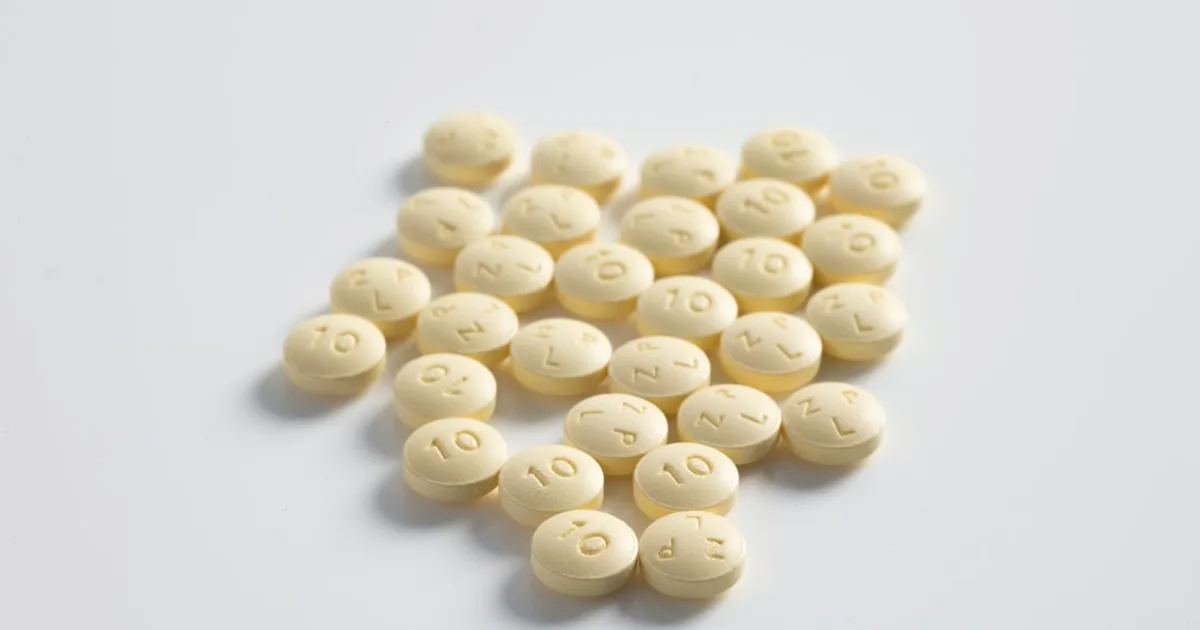
Citable definition: Statins (HMG-CoA reductase inhibitors) are a class of lipid-lowering medications that reduce LDL cholesterol production by the liver by blocking a key enzyme in the mevalonate pathway. Beyond their LDL-lowering effect, they exert pleiotropic effects (anti-inflammatory, plaque-stabilizing, antithrombotic) that contribute to their cardiovascular efficacy. Meta-analyses show that a 1 mmol/L reduction in LDL cholesterol decreases major vascular events by 22% (CTT Collaboration, Lancet, 2010).
What Is a Statin and How Does It Work?
Among the most widely prescribed medications in the world, statins hold a central place in cardiovascular disease prevention. Worldwide, tens of millions of patients take them daily — often without fully understanding their mechanism or true benefit.
Yet statins deserve closer attention. They do more than simply “lower cholesterol.” They act at a fundamental level on arterial walls, vascular inflammation, and the risk of heart attack or stroke. Their benefit is particularly well documented in peripheral vascular disease — specifically peripheral artery disease (PAD).
The Mevalonate Pathway: Blocking Production at the Source
To understand statins, you need to understand how the liver produces cholesterol. This production follows a cascade of biochemical reactions called the mevalonate pathway. The key enzyme in this chain is HMG-CoA reductase. Statins block it.
The result: deprived of its own cholesterol production, the liver “captures” more cholesterol from the bloodstream via specific receptors. LDL cholesterol levels — the “bad” cholesterol that deposits in artery walls — drop significantly.
But the mevalonate pathway does not only produce cholesterol. It also produces coenzyme Q10 (CoQ10), essential for muscle function. This partial inhibition of CoQ10 is implicated in the muscle effects of statins — a point we will address below (Mollazadeh H et al., J Cachexia Sarcopenia Muscle, 2021, PMID 33511728).
Pleiotropic Effects: Far Beyond Cholesterol
Statins have effects that go well beyond simple LDL reduction. These are called pleiotropic effects — from the Greek for “many forms of action”:
- Anti-inflammatory effect: statins reduce inflammatory markers such as CRP (C-reactive protein), which is involved in atherosclerotic plaque destabilization
- Plaque stabilization: they strengthen the fibrous cap that covers lipid deposits in arteries, reducing the risk of plaque rupture — the triggering mechanism for heart attack
- Antithrombotic effect: they decrease platelet aggregation and promote fibrinolysis (the body’s natural clot-dissolving process)
- Improved endothelial function: they enhance nitric oxide (NO) production, which relaxes arterial walls
These effects have been documented in several landmark reviews (Veillard NR, Mach F., Cell Mol Life Sci, 2002, PMID 12530513).
Atherosclerosis and PAD: Why Statins Are Indispensable
Atherosclerosis is the arterial disease underlying the majority of cardiovascular conditions: coronary artery disease, stroke, and peripheral artery disease. It is characterized by the progressive accumulation of lipid deposits, inflammatory cells, and fibrous tissue inside the arterial wall.
The Role of LDL Cholesterol in Atherosclerosis
Think of your arteries as tubes with an inner lining (the endothelium) covered by a thin protective film. When LDL cholesterol is in excess in the bloodstream, it infiltrates this wall, becomes oxidized, and triggers a chronic inflammatory reaction. Over the years, the plaque grows, hardens, and can suddenly rupture — causing a heart attack or stroke.
Lowering LDL slows this process. And statins do it more effectively than any other drug class.
Proven Benefits in Cardiovascular Prevention
The CTT Collaboration (Cholesterol Treatment Trialists) analyzed pooled data from 26 clinical trials involving nearly 170,000 patients. Their conclusions are robust:
- Every 1 mmol/L reduction in LDL cholesterol reduces major vascular events by 22% (heart attack, stroke, coronary revascularization)
- All-cause mortality is reduced by 10% per mmol/L of LDL lowered
- The benefit is proportional to LDL reduction: the lower you go, the more protection you gain
(CTT Collaboration, Lancet, 2010, PMID 21067804)
The JUPITER trial tested rosuvastatin in patients without high cholesterol but with chronic inflammation (elevated CRP). The results were striking: -54% heart attacks and -48% strokes compared to placebo (Ridker PM et al., NEJM, 2008, PMID 18997196).
The ASCOT-LLA trial confirmed these findings in primary prevention among patients with hypertension: -36% coronary events with atorvastatin (Sever PS et al., Lancet, 2003, PMID 12686036).
Statins and PAD: Specific and Documented Benefits
Peripheral artery disease (PAD) — sometimes called “leg artery disease” — is a form of atherosclerosis affecting the arteries that supply the lower limbs. It causes pain on walking (intermittent claudication) and, in severe forms, critical limb-threatening ischemia.
Statins are particularly effective in this setting. A meta-analysis published in Vasa (Sagris M et al., 2022, PMID 35673949) specifically analyzed their effects in PAD:
- 42% reduction in all-cause mortality
- 35% reduction in amputation risk
- Improvement in walking distance (pain-free distance)
A study published in EJVES (Sofat S et al., 2021, PMID 34389230) confirmed that high-intensity statins (atorvastatin 40–80 mg or rosuvastatin 20–40 mg) are superior to lower doses in PAD.
In patients with critical limb ischemia (the most advanced stage, with rest pain and limb-threatening risk), statins also reduce periprocedural mortality during revascularization procedures (Kokkinidis DG et al., Vasc Med, 2020, PMID 31964311).
Available Statins: A Global Overview
Six statin molecules are available worldwide, each with different efficacy and tolerability profiles.
| Molecule | Common brand names | Intensity | Estimated LDL reduction | Key features |
|---|---|---|---|---|
| Rosuvastatin | Crestor | High | 50–55% (20 mg) / 60–65% (40 mg) | Maximum efficacy |
| Atorvastatin | Lipitor | High | 40–50% (40 mg) / 50–60% (80 mg) | Widely used, well tolerated |
| Simvastatin | Zocor | Moderate | 35–45% (40 mg) | Watch for drug interactions |
| Pravastatin | Pravachol | Moderate | 25–35% (40 mg) | Good muscle tolerability |
| Fluvastatin | Lescol | Moderate–low | 20–30% (80 mg XL) | Alternative in intolerance |
| Pitavastatin | Livalo | Moderate | 35–40% (4 mg) | Few interactions; may suit diabetic patients |
High-intensity statins (rosuvastatin 20 mg or more and atorvastatin 40 mg or more) are recommended as first-line therapy for patients at very high cardiovascular risk, particularly those with PAD.
The choice of molecule and dose is an individualized medical decision. Your doctor takes into account your baseline LDL, your targets, your current medications, and any prior intolerance.
Side Effects: Separating Facts From Fears
Statins have a poor reputation among many patients. However, the scientific evidence invites serious reconsideration of this narrative. For an in-depth analysis, see our comprehensive guide on statin side effects: separating fact from fiction.
Muscle Effects: The Great Misconception
Myalgia (muscle pain) is the most commonly reported side effect. But a rigorous clinical trial published in the NEJM in 2020 changed our understanding of this phenomenon.
The SAMSON trial (Wood FA et al., NEJM, 2020, PMID 33196154) used a double-blind crossover method: patients who had stopped statins for myalgia unknowingly received a statin, a placebo, or nothing in monthly rotation. The result: 90% of muscle symptoms reported with the statin were reproduced identically with placebo. This phenomenon is called the nocebo effect — the belief that a drug will cause harm generates the symptoms, even without any biological action.
This does not mean all muscle pain is imagined. True statin-related myopathies exist, with a variable severity spectrum (Fernandes V et al., Endocrinol Nutr, 2016, PMID 27005745):
| Type | Frequency | Symptoms | Management |
|---|---|---|---|
| Myalgia (pain without enzyme elevation) | 5–10% | Diffuse muscle pain | Blood tests, dose reassessment |
| Myositis (inflammation with CK elevation) | 0.1–0.5% | Pain + elevated CK | Dose reduction or statin switch |
| Rhabdomyolysis (severe muscle breakdown) | Very rare (< 1/10,000) | Dark urine, very high CK | Immediate discontinuation, medical emergency |
If you experience muscle pain while taking a statin, do not ignore it — but do not stop treatment without consulting your doctor. A CK blood test and a discussion about dosing or switching can often resolve the situation.
Diabetes Risk: Real but Contextualized
Statins modestly increase the risk of type 2 diabetes. A landmark meta-analysis (Sattar N et al., Lancet, 2010, PMID 20167359) quantified this risk: +9% new-onset diabetes, equivalent to approximately 1 additional case per 255 patients treated for 4 years.
But this figure must be put in perspective. A study published in JAMA (Preiss D et al., 2011, PMID 21693744) compared the diabetes risk with the cardiovascular benefit of intensive statins: 1 major cardiovascular event prevented per 155 patients treated per year, versus 1 case of diabetes per 498 patients per year — a ratio of more than 3 to 1 in favor of treatment (NNT 155 vs NNH 498). The benefit-risk balance is strongly favorable.
This diabetes risk mainly affects people already predisposed (prediabetes, metabolic syndrome, obesity). It is in no way a reason to stop or refuse statin therapy if your doctor prescribes it.
Other Effects to Know About
- Elevated transaminases (liver enzymes): rare and usually transient. Routine blood monitoring is sufficient in most cases.
- Headache, digestive discomfort: described in clinical trials, generally mild and self-resolving.
- Drug interactions: certain statins (especially simvastatin) interact with common medications (certain antibiotics, antifungals, calcium channel blockers). Always inform your doctor of all your current medications.
Myths and Controversies: What the Studies Really Say
”Statins are only useful for the elderly”
False. The benefits of statins are documented from age 40 and even earlier in the setting of high cardiovascular risk (familial hypercholesterolemia, diabetes, PAD). Age is not the primary criterion — it is the overall level of cardiovascular risk that guides the decision.
”Eating healthy is enough to avoid statins”
Partially true. A healthy diet (high in fiber, low in saturated fat) can reduce LDL by 10–15%. This is helpful, but insufficient for high-risk patients or those with familial hypercholesterolemia (a genetic condition that raises LDL regardless of diet). Statins target hepatic production, not just dietary intake.
”Pharmaceutical companies hide the side effects”
The major statin trials (CTT, JUPITER, ASCOT) are among the most rigorous and reproducible studies in cardiovascular medicine. Their individual participant data are accessible to independent research consortiums. Meta-analyses consistently confirm the favorable benefit-risk profile for high-risk patients.
”Cholesterol is not really dangerous”
Epidemiological and genetic studies (Mendelian randomization studies) demonstrate a causal relationship between LDL cholesterol and atherosclerosis — not merely an association. People who carry genetic variants that naturally lower LDL have significantly reduced cardiovascular risk throughout their lives.
Current Guidelines: What LDL Targets?
The European guidelines (ESC/EAS 2019, PMID 31504418) stratify targets based on cardiovascular risk level:
| Risk level | Typical profile | LDL target |
|---|---|---|
| Very high risk | PAD, coronary artery disease, ischemic stroke, diabetes with organ damage | < 1.4 mmol/L (< 55 mg/dL) and at least 50% LDL reduction |
| High risk | Severe hypertension, diabetes without organ damage, familial hypercholesterolemia | < 1.8 mmol/L (< 70 mg/dL) and at least 50% reduction |
| Moderate risk | Isolated risk factors, no established cardiovascular disease | < 2.6 mmol/L (< 100 mg/dL) |
| Low risk | No significant risk factors | < 3.0 mmol/L (< 116 mg/dL) |
PAD-specific recommendations are even more precise. The ESC 2024 guidelines on peripheral arterial disease (PMID 39210722) and the ESVS 2024 guidelines (PMID 37949800) explicitly recommend high-intensity statins for all patients with PAD, regardless of baseline LDL.
An important point: the goal is not simply to hit a number. The aim is to stabilize atherosclerotic plaques, reduce vascular inflammation, and prevent ischemic events. These benefits are seen even in patients whose baseline LDL is not particularly elevated.
When to See Your Doctor
See your doctor if:
- You have abnormal lipid levels (cholesterol) and are not yet on treatment
- You experience muscle pain while on a statin, before considering stopping treatment
- You have been on a statin for over a year without follow-up blood tests
- You experience intermittent claudication (leg pain on walking) — PAD should be investigated
- Your doctor has prescribed statins and you would like a specialist opinion on your overall vascular risk
For a complete vascular assessment — arterial evaluation, ankle-brachial index (ABI) measurement, PAD follow-up — consult your primary care physician or a vascular specialist.
Explore our sections on cardiovascular prevention and arterial diseases to learn more.
Read also:
- Statin Side Effects: Separating Fact From Fiction
- Peripheral Artery Disease: Symptoms, Diagnosis, and Treatment
- Diet and Vascular Health: Protecting Your Veins and Arteries
References
-
CTT Collaboration (Baigent C et al.). Efficacy and safety of more intensive lowering of LDL cholesterol: a meta-analysis of data from 170,000 participants in 26 randomised trials. Lancet. 2010; 376(9753): 1670-81. PMID 21067804
-
Ridker PM, Danielson E, Fonseca FAH et al. (JUPITER Trial). Rosuvastatin to Prevent Vascular Events in Men and Women with Elevated C-Reactive Protein. NEJM. 2008; 359(21): 2195-207. PMID 18997196
-
Sever PS, Dahlof B, Poulter NR et al. (ASCOT-LLA). Prevention of coronary and stroke events with atorvastatin in hypertensive patients who have average or lower-than-average cholesterol concentrations. Lancet. 2003; 361(9364): 1149-58. PMID 12686036
-
Sagris M, Katsaros I, Giannopoulos S, Rosenberg RD, Kokkinidis DG et al. Statins and statin intensity in peripheral artery disease. Vasa. 2022; 51(4): 198-211. PMID 35673949
-
Sofat S, Chen X, Chowdhury MM, Coughlin PA. Effects of Statin Therapy and Dose on Cardiovascular and Limb Outcomes in Peripheral Arterial Disease: A Systematic Review and Meta-analysis. Eur J Vasc Endovasc Surg. 2021; 62(3): 450-461. PMID 34389230
-
Kokkinidis DG, Arfaras-Melainis A, Giannopoulos S et al. Statin therapy for reduction of cardiovascular and limb-related events in critical limb ischemia. Vasc Med. 2020; 25(2): 106-117. PMID 31964311
-
Wood FA, Howard JP, Finegold JA et al. (SAMSON Trial). N-of-1 Trial of a Statin, Placebo, or No Treatment to Assess Side Effects. NEJM. 2020; 383(22): 2182-84. PMID 33196154
-
Sattar N, Preiss D, Murray HM et al. Statins and risk of incident diabetes: a collaborative meta-analysis of randomised statin trials. Lancet. 2010; 375(9716): 735-42. PMID 20167359
-
Preiss D, Seshasai SR, Welsh P et al. Risk of Incident Diabetes With Intensive-Dose Compared With Moderate-Dose Statin Therapy: A Meta-analysis. JAMA. 2011; 305(24): 2556-64. PMID 21693744
-
Mollazadeh H, Tavana E, Fanni G et al. Effects of statins on mitochondrial pathways. J Cachexia Sarcopenia Muscle. 2021; 12(2): 237-251. PMID 33511728
-
Veillard NR, Mach F. Statins: the new aspirin? Cell Mol Life Sci. 2002; 59(11): 1771-86. PMID 12530513
-
Fernandes V, Hernandez N, Perez-Diano M et al. Statin-associated myopathy: a review. Endocrinol Nutr. 2016; 63(5): 239-49. PMID 27005745
-
ESC/EAS Guidelines for the management of dyslipidaemias (2019). European Heart Journal. PMID 31504418
-
ESC Guidelines on the management of peripheral arterial and aortic diseases (2024). PMID 39210722
-
Nordanstig J et al. (ESVS Guidelines Committee). ESVS 2024 Clinical Practice Guidelines on the Management of Asymptomatic Lower Limb Peripheral Arterial Disease and Intermittent Claudication. Eur J Vasc Endovasc Surg. 2024; 67(1): 9-96. PMID 37949800
This article was written by the Petit Veinard Editorial Board and reviewed according to our editorial standards. It is not a substitute for professional medical advice, diagnosis, or treatment. Never change your medication without your doctor’s approval. Always consult your doctor about any questions regarding your health.
Frequently asked questions
Are statins dangerous for your muscles?
Do you have to take statins for life?
Can statins cause diabetes?
Which statin is the most effective?
Can you stop statins if you feel fine?
Petit Veinard Editorial Board
This article was written and reviewed by vascular medicine specialists. Sources: peer-reviewed journals (PubMed), ESVS guidelines, AHA/ACC recommendations, Cochrane Reviews.