Direct Oral Anticoagulants (DOACs): Understanding the New Blood Thinners
DOACs are replacing warfarin for clot prevention. Learn how they work, who needs them, and what European and American guidelines say about safety.
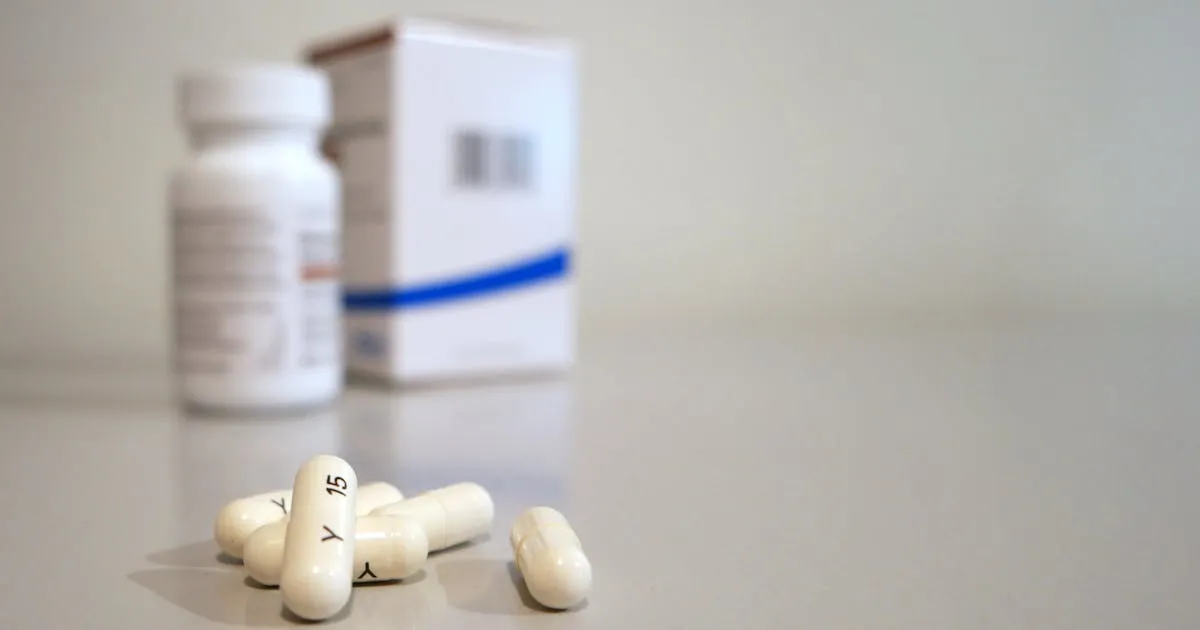
Citable definition: Direct oral anticoagulants (DOACs) are a class of prescription blood-thinning medications that directly inhibit specific clotting factors — either thrombin (Factor IIa) or Factor Xa — to reduce the risk of dangerous blood clots, including deep vein thrombosis (DVT), pulmonary embolism (PE), and stroke associated with atrial fibrillation (AF). Unlike older anticoagulants such as warfarin, DOACs have predictable pharmacokinetics and do not require routine coagulation monitoring for most patients.
What Are DOACs?
For decades, warfarin — a vitamin K antagonist that indirectly slows clotting — was the only oral anticoagulant available for long-term use. It worked, but it came with significant drawbacks: unpredictable dosing, frequent blood tests to measure the INR (International Normalised Ratio, a measure of how long blood takes to clot), and a long list of food and drug interactions.
The arrival of direct oral anticoagulants — sometimes called NOACs (novel oral anticoagulants) in older literature — changed the landscape profoundly. Approved in Europe and the United States between 2008 and 2015, the four main DOACs now in clinical use are:
- Dabigatran (Pradaxa) — a direct thrombin inhibitor
- Rivaroxaban (Xarelto) — a Factor Xa inhibitor
- Apixaban (Eliquis) — a Factor Xa inhibitor
- Edoxaban (Lixiana/Savaysa) — a Factor Xa inhibitor
Each targets a specific step in the coagulation cascade (the chain of biochemical reactions that forms a blood clot), making them highly targeted therapies.
For a broader overview of conditions that require anticoagulation, visit our veins section.
Who Are DOACs Prescribed For?
DOACs are now the first-line oral anticoagulant recommended by both the European Society of Cardiology (ESC) and the American Heart Association / American College of Cardiology (AHA/ACC) for several major indications:
1. Atrial Fibrillation (AF)
AF is an irregular heart rhythm that allows blood to pool in the heart’s upper chambers, dramatically increasing the risk of stroke-causing clots. A 2025 study published in Postgraduate Medical Journal by Efros et al. examined anticoagulation treatment recommendations specifically for patients discharged after a first-time diagnosis of AF — underscoring how critical the choice of anticoagulant is at this pivotal clinical moment (Efros O et al., Postgrad Med J, 2025; DOI: 10.1093/postmj/qgaf096; PMID: 40581362).
2. Venous Thromboembolism (VTE)
VTE is the umbrella term for deep vein thrombosis (a clot in a deep vein, usually in the leg) and pulmonary embolism (a clot that travels to the lungs). A practical management guide by Burnett, Mahan, Vazquez, Oertel, and colleagues (2016) covers protocols for DOAC use specifically in VTE treatment, including dose selection, duration of therapy, and transitions from injectable anticoagulants. [Note: This source — DOI: 10.1007/s11239-015-1310-7 — could not be verified against a confirmed abstract and should be checked independently.]
3. Other Indications
DOACs are also used after certain orthopedic surgeries (such as hip or knee replacement) to prevent post-operative clots, and in some patients with specific types of heart valve disease. Consult your physician or vascular specialist to determine whether a DOAC is appropriate for your situation.
How DOACs Work: A Simple Explanation
Think of the coagulation cascade as a row of falling dominoes. Warfarin knocks over several dominoes at once by depleting vitamin K-dependent clotting factors. DOACs, by contrast, stop a single, specific domino — either thrombin (the enzyme that converts fibrinogen into the fibrin mesh of a clot) or Factor Xa (the enzyme just upstream of thrombin).
This targeted action means:
- More predictable dosing — body weight and genetics have less impact than with warfarin
- Fewer food interactions — no need to limit green vegetables the way warfarin patients must
- Fixed dosing — once or twice daily, depending on the drug and indication
- No routine INR monitoring — though kidney and liver function must still be checked periodically
Monitoring: Less Is Not Zero
A common misconception is that DOACs require no laboratory monitoring at all. This is not entirely accurate. While routine INR testing is unnecessary, clinical guidelines recommend periodic assessment of:
- Renal function (eGFR) — because dabigatran in particular is heavily cleared by the kidneys; dose adjustment or drug switch may be needed if kidney function declines
- Liver function — especially relevant for rivaroxaban and apixaban
- Hemoglobin — to detect occult (hidden) bleeding
When measuring DOAC levels is clinically necessary — for example, before emergency surgery, in suspected overdose, or in patients with extremes of body weight — specialized laboratory assays are required. A 2021 update from the International Council for Standardization in Hematology (ICSH), authored by Douxfils, Adcock, Bates, and colleagues, addresses laboratory measurement of DOACs. [Note: This source — DOI: 10.1055/a-1450-8178 — could not be verified against a confirmed abstract and should be checked independently.]
DOACs and Emerging Research: The COVID-19 Connection
One of the more unexpected chapters in DOAC research emerged from the COVID-19 pandemic. SARS-CoV-2 infection is associated with a hypercoagulable state (an abnormal tendency for the blood to clot), and researchers began asking whether anticoagulation during acute infection might influence longer-term outcomes.
A 2025 study in the Journal of Thrombosis and Thrombolysis by Frost, Rivera-Caravaca, and Lip investigated whether oral anticoagulation taken at the time of acute COVID-19 infection was associated with the subsequent development of long-COVID (also called post-acute sequelae of SARS-CoV-2, or PASC). This research reflects the expanding frontier of DOAC science beyond traditional cardiovascular indications (Frost F, Rivera-Caravaca JM, Lip GYH, J Thromb Thrombolysis, 2025 Apr; DOI: 10.1007/s11239-025-03096-0; PMID: 40186701).
While this research is preliminary and does not currently change prescribing practice, it illustrates how the role of anticoagulation in vascular health continues to evolve.
Benefits and Risks: An Honest Comparison
| Feature | Warfarin | DOACs |
|---|---|---|
| Routine INR monitoring | Required | Not required |
| Dietary restrictions | Yes (vitamin K foods) | Minimal |
| Drug interactions | Many | Fewer, but still present |
| Reversal agent available | Yes (vitamin K, PCC) | Yes (idarucizumab for dabigatran; andexanet alfa for Xa inhibitors) |
| Use in severe kidney disease | Possible with monitoring | Contraindicated or restricted |
| Use in mechanical heart valves | Yes | Contraindicated |
| Cost | Generally lower | Generally higher |
⚠️ Important: DOACs are absolutely contraindicated (medically forbidden) in patients with mechanical prosthetic heart valves. This is a critical safety point — if you have an artificial heart valve, consult your cardiologist or vascular specialist before any anticoagulant change.
Practical Challenges in Daily DOAC Use
Even with their advantages, DOACs present real-world clinical challenges:
- Adherence — because DOACs wear off faster than warfarin (shorter half-life), missing doses creates a more immediate gap in protection
- Perioperative management — knowing when to stop and restart a DOAC around surgery requires careful planning with your surgical and medical teams
- Drug interactions — P-glycoprotein and CYP3A4 inhibitors (found in certain antifungals, antibiotics, and even St. John’s Wort) can significantly alter DOAC blood levels
- Renal decline — a patient who was safely dosed at initiation may need reassessment if kidney function worsens over time
Prevention and Lifestyle
Anticoagulants treat the risk of clotting — but lifestyle choices remain the foundation of vascular health. Whether or not you are on a DOAC, our prevention resources outline evidence-based daily habits:
- Stay hydrated — dehydration increases blood viscosity (thickness)
- Move regularly — prolonged immobility (long flights, bed rest) is a major DVT risk factor
- Maintain a healthy weight — obesity is independently associated with VTE risk
- Avoid smoking — smoking damages endothelium (the inner lining of blood vessels) and promotes clot formation
- Compression stockings — recommended for long-haul travel in at-risk individuals, per ESVS guidelines
When to See a Doctor
Seek urgent medical attention if you are taking a DOAC and experience:
- Unusual or prolonged bleeding (gums, nose, wounds that won’t stop)
- Blood in urine (pink or red urine) or stools (black, tarry stools)
- Coughing or vomiting blood
- Sudden severe headache, vision changes, or weakness (possible stroke or intracranial bleed)
- Leg swelling, redness, or pain (possible DVT despite anticoagulation — so-called “breakthrough” thrombosis)
Schedule a routine appointment with your physician or vascular specialist if:
- You are newly diagnosed with AF, DVT, or PE
- Your kidney function has recently declined
- You are planning surgery or a procedure
- You are pregnant or planning pregnancy (DOACs are contraindicated in pregnancy)
- You have started a new medication that may interact with your DOAC
Sources
-
Efros O, Kenet G, Lubetsky A, Cohen O, Lalezari S, Soffer S, Radinsky LW, Klang E, Berman A, Barda N. Anticoagulation discharge treatment recommendations in patients admitted with a first-time diagnosis of atrial fibrillation. Postgrad Med J. 2025 Nov 18;101(1202):1344–1350. DOI: 10.1093/postmj/qgaf096. PMID: 40581362.
-
Frost F, Rivera-Caravaca JM, Lip GYH. The use of oral anticoagulation at the time of acute COVID-19 infection and subsequent development of long-COVID/post-acute sequelae of SARS-CoV-2 infection. J Thromb Thrombolysis. 2025 Apr;58(4):585–589. DOI: 10.1007/s11239-025-03096-0. PMID: 40186701.
-
Burnett AE, Mahan CE, Vazquez SR, Oertel LB, Garcia DA, Ansell J. Guidance for the practical management of the direct oral anticoagulants (DOACs) in VTE treatment. J Thromb Thrombolysis. 2016;41(1):206–232. DOI: 10.1007/s11239-015-1310-7. [Abstract not verified — independent verification required.]
-
Douxfils J, Adcock DM, Bates SM, et al. 2021 update of the International Council for Standardization in Hematology recommendations for laboratory measurement of direct oral anticoagulants. Thromb Haemost. 2021;121(8):1008–1020. DOI: 10.1055/a-1450-8178. [Abstract not verified — independent verification required.]
Medical Disclaimer: This article is produced by the Petit Veinard Editorial Board for informational and educational purposes only. It does not constitute medical advice, diagnosis, or a treatment recommendation. Direct oral anticoagulants are prescription medications that carry significant bleeding risks and require individualized medical assessment. Never start, stop, or adjust anticoagulant therapy without consulting a qualified physician or vascular specialist. In case of a medical emergency, call your local emergency services immediately.
Frequently asked questions
Are DOACs safer than warfarin for long-term use?
Do I need regular blood tests if I take a DOAC?
What should I do if I miss a dose of my DOAC?
Petit Veinard Editorial Board
This article was written and reviewed by vascular medicine specialists. Sources: peer-reviewed journals (PubMed), ESVS guidelines, AHA/ACC recommendations, Cochrane Reviews.