Raynaud Syndrome: When Cold Turns Your Fingers White
Fingers turn white, then blue, then red in the cold? Learn the causes, symptoms, and treatments of Raynaud syndrome from a vascular perspective.
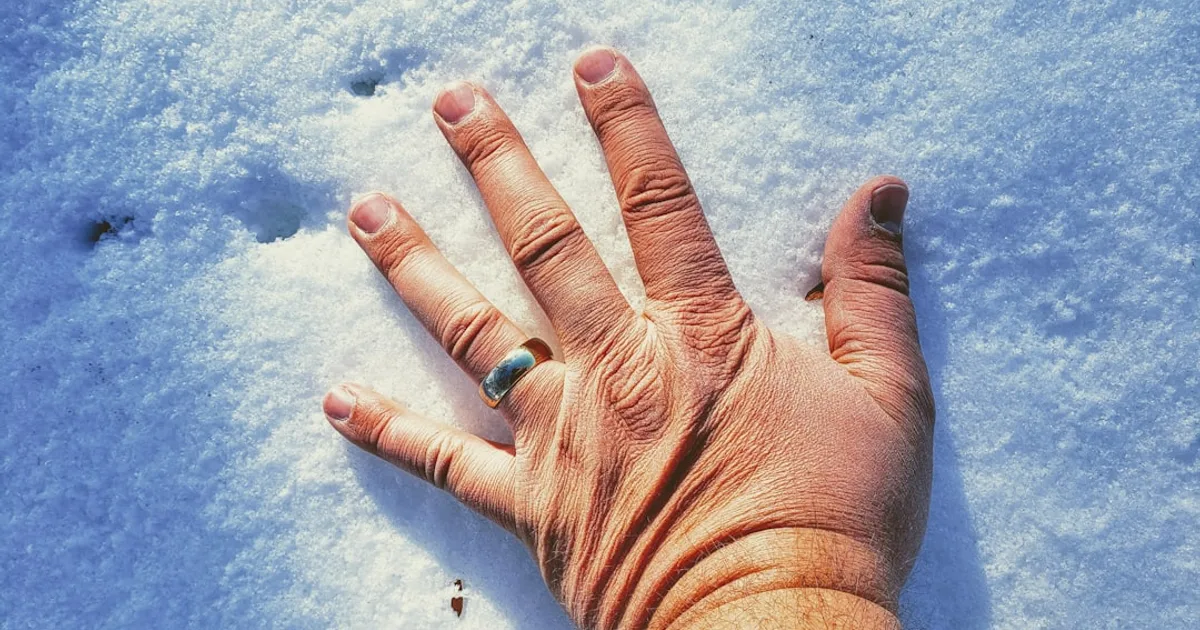
Citable definition: Raynaud syndrome is a vasospastic disorder (a condition involving sudden, reversible narrowing of blood vessels) characterized by episodic, exaggerated vasoconstriction of the digital arteries and arterioles in response to cold exposure or emotional stress, producing a sequential color change of the affected extremities — typically white, blue, then red.
What Is Raynaud Syndrome?
Most of us have experienced cold hands on a winter morning. But for an estimated 3–5% of the general population, according to available data, the response to cold is far more dramatic: fingers — and sometimes toes, ears, or the tip of the nose — turn strikingly white, then blue, then red, often accompanied by pain, numbness, or a burning sensation. This is Raynaud syndrome, and it is one of the most visually striking conditions a vascular specialist encounters.
The phenomenon was first described by the French physician Maurice Raynaud in 1862, a date well established in the historical medical literature. Research into the mechanisms driving it continued throughout the twentieth century and beyond. A 2005 paper by Cooke and Marshall published in Vascular Medicine examined the pathophysiology of Raynaud’s disease (Cooke JP, Marshall JM. Vascular Medicine, 2005; PMID: 15920853).
Clinicians distinguish two main forms:
- Primary Raynaud syndrome (also called Raynaud’s disease): occurs in isolation, with no identifiable underlying condition. It tends to affect younger women, is bilateral and symmetric, and carries a benign prognosis.
- Secondary Raynaud syndrome (also called Raynaud’s phenomenon): occurs as a consequence of another condition — most commonly connective tissue diseases (disorders affecting the body’s structural proteins) such as systemic sclerosis (scleroderma), lupus, or rheumatoid arthritis. It is generally more severe, asymmetric, and can lead to digital ulcers (open sores on the fingertips) or, in rare cases, gangrene.
For a broader overview of conditions affecting peripheral circulation, visit our veins and vascular health section.
Symptoms: More Than Just Cold Hands
The classic presentation of Raynaud syndrome follows a three-phase color sequence, though not every patient experiences all three phases with equal clarity.
Phase 1 — White (Pallor)
The affected digits turn white as blood is suddenly shunted away. This pallor is caused by vasospasm (sudden, involuntary vessel narrowing) cutting off arterial inflow. The fingers may feel numb or “dead.”
Phase 2 — Blue (Cyanosis)
As the remaining blood in the capillaries loses its oxygen, the digits turn blue or purple. This phase is called cyanosis (bluish discoloration due to deoxygenated blood). Patients often report a dull ache or throbbing during this phase.
Phase 3 — Red (Reactive Hyperemia)
When the vasospasm resolves and blood rushes back into the vessels, the fingers turn bright red. This phase — called reactive hyperemia — is frequently the most painful, described as a burning, tingling, or “pins and needles” sensation.
Other Symptoms to Watch For
- Attacks triggered by emotional stress, not just cold — an observation reportedly supported by early experimental work, including a 1939 study by Mittelman and Wolff published in Psychosomatic Medicine, which reportedly investigated skin temperature responses in subjects with Raynaud syndrome during emotionally stressful situations (Mittelman B, Wolff HG. Psychosomatic Medicine, 1939; note: this source could not be independently verified).
- Attacks lasting anywhere from a few minutes to over an hour.
- In secondary Raynaud: persistent digital pitting (small scars on fingertips), ulcers, or thickened skin — signs that warrant urgent specialist assessment.
Diagnosis: What to Expect
There is no single blood test that diagnoses Raynaud syndrome. The diagnosis is primarily clinical — meaning it is based on your history and the pattern of your symptoms. A thorough 2012 review by Goundry, Bell, Langtree, and Moorthy in the BMJ outlined a practical diagnostic approach that remains widely used today (Goundry B, Bell L, Langtree M, Moorthy A. BMJ, 2012; PMID: 22337829).
Clinical Assessment
Your doctor will ask about:
- The pattern of color changes (sequence, duration, which digits are affected)
- Triggers (cold, stress, vibrating tools)
- Associated symptoms suggestive of connective tissue disease (joint pain, dry eyes or mouth, difficulty swallowing, skin thickening)
- Medications that can cause vasospasm (beta-blockers, certain chemotherapy agents, decongestants)
Key Investigations
| Test | Purpose |
|---|---|
| Nailfold capillaroscopy | Examines tiny blood vessels under the nail fold; abnormalities suggest secondary Raynaud |
| ANA (antinuclear antibodies) | Screens for autoimmune conditions associated with secondary Raynaud |
| Full blood count & ESR | Detects inflammation or anemia |
| Thyroid function tests | Hypothyroidism can mimic or worsen Raynaud |
| Doppler ultrasound | Assesses blood flow in digital arteries if structural disease is suspected |
Nailfold capillaroscopy is particularly valuable: in primary Raynaud, the capillary pattern is normal; in secondary Raynaud (especially scleroderma), it shows characteristic “giant loops,” avascular areas, and disorganization.
Treatment: From Warm Gloves to Medication
Management of Raynaud syndrome is tailored to its severity and underlying cause. The 2012 BMJ review by Goundry et al. provides a clear framework for clinical management (Goundry B, Bell L, Langtree M, Moorthy A. BMJ, 2012; PMID: 22337829).
Conservative Measures (First Line for Everyone)
These should be tried before any medication:
- Keep the whole body warm — vasoconstriction in the hands is partly a reflex triggered by core body cooling. Layering clothing and wearing a hat are as important as gloves.
- Heated gloves or hand warmers during outdoor activities.
- Avoid triggers: cold temperatures, emotional stress, cigarette smoke (nicotine is a potent vasoconstrictor), and vibrating machinery.
- Stress management: given the well-established link between emotional arousal and digital vasospasm, techniques such as mindfulness, biofeedback, and cognitive behavioral therapy have demonstrated benefit in some patients.
- Exercise: regular aerobic exercise improves endothelial function (the health of the vessel lining) and peripheral circulation.
Pharmacological Treatment (When Lifestyle Is Not Enough)
| Medication Class | Example | Mechanism | Evidence Level |
|---|---|---|---|
| Calcium channel blockers | Nifedipine (slow-release) | Relax smooth muscle in vessel walls | First-line; strong RCT evidence |
| Phosphodiesterase-5 inhibitors | Sildenafil | Enhance nitric oxide signaling | Useful in secondary Raynaud |
| Topical nitrates | Glyceryl trinitrate cream | Local vasodilation | Effective; limited by headache side effects |
| Prostanoids (IV) | Iloprost | Powerful vasodilation; used in severe secondary Raynaud | Reserved for digital ulcers or critical ischemia |
| SSRIs | Fluoxetine | Modulate serotonin-mediated vasoconstriction | Limited but positive data |
Nifedipine (a calcium channel blocker) remains the most widely recommended first-line drug in both European vascular practice and American rheumatology guidelines. Always consult your physician before starting or changing any medication.
Surgical and Interventional Options
For patients with severe, refractory secondary Raynaud — particularly those with recurrent digital ulcers — the following may be considered:
- Digital sympathectomy: a surgical procedure that cuts the sympathetic nerve fibers (the nerves that drive vasoconstriction) around the digital arteries. It can provide significant relief in carefully selected patients.
- Botulinum toxin injections: injected around the digital vessels to block sympathetic nerve signals; emerging evidence supports its use in refractory cases.
- Chemical sympathectomy: injection of local anesthetic or phenol around the sympathetic chain to achieve a similar effect non-surgically.
These interventions are typically performed or coordinated by a vascular surgeon or rheumatologist with specialist expertise.
Prevention: Daily Habits That Make a Difference
While Raynaud syndrome cannot always be prevented — particularly when it is secondary to an autoimmune disease — the frequency and severity of attacks can often be reduced substantially:
- Dress strategically: mittens (which keep fingers together and retain more heat) outperform gloves for cold prevention.
- Pre-warm your environment: warm your car before getting in; use oven gloves when reaching into the freezer.
- Quit smoking: nicotine causes immediate, measurable vasoconstriction and worsens every peripheral vascular condition.
- Limit caffeine: caffeine has vasoconstrictive properties and may exacerbate attacks in sensitive individuals.
- Manage stress proactively: the link between emotional arousal and digital vasospasm is well-established and clinically significant.
- Review your medications: if you take beta-blockers or certain migraine treatments, discuss with your doctor whether alternatives might reduce Raynaud attacks.
For more evidence-based tips on protecting your peripheral circulation year-round, explore our prevention resources.
When to See a Doctor
Raynaud syndrome is common, but certain features demand prompt medical attention. Do not wait if you experience:
- Asymmetric attacks (one hand affected more than the other) — suggests a structural or embolic cause
- Digital ulcers or sores on the fingertips
- Skin thickening, joint swelling, or difficulty swallowing alongside Raynaud attacks — possible signs of scleroderma or another connective tissue disease
- A first attack after age 40 — primary Raynaud typically begins in young adulthood; a later onset raises suspicion of secondary causes
- Attacks that do not fully resolve — persistent color change or pain after rewarming requires investigation
- Symptoms in the toes, ears, or nose in addition to the fingers
If you recognize any of these features, consult your physician or a vascular specialist promptly. Early diagnosis of secondary Raynaud can prevent serious complications including irreversible tissue damage.
Sources
-
Cooke JP, Marshall JM. Mechanisms of Raynaud’s disease. Vascular Medicine. 2005;10(4):293–307. PMID: 15920853. https://doi.org/10.1191/1358863x05vm639ra
-
Mittelman B, Wolff HG. Affective states and skin temperature: Experimental study of subjects with “cold hands” and Raynaud’s syndrome. Psychosomatic Medicine. 1939;1(2):271–292. https://doi.org/10.1097/00006842-193904000-00006
-
Goundry B, Bell L, Langtree M, Moorthy A. Diagnosis and management of Raynaud’s phenomenon. BMJ. 2012;344:e289. PMID: 22337829. https://doi.org/10.1136/bmj.e289
Medical Disclaimer: This article is produced by the Petit Veinard Editorial Board for informational and educational purposes only. It does not constitute medical advice, diagnosis, or a treatment recommendation. The information presented reflects published scientific literature and clinical guidelines available at the time of writing and may not apply to every individual’s situation. Always consult a qualified physician or vascular specialist before making any decisions about your health or treatment. In case of a medical emergency, contact your local emergency services immediately.
Frequently asked questions
Why do my fingers turn white and blue in the cold?
Is Raynaud syndrome dangerous?
Can Raynaud syndrome be cured or only managed?
Petit Veinard Editorial Board
This article was written and reviewed by vascular medicine specialists. Sources: peer-reviewed journals (PubMed), ESVS guidelines, AHA/ACC recommendations, Cochrane Reviews.