Varicose Veins: Causes, Symptoms, and Complete Treatment Guide
Everything you need to know about varicose veins: causes, symptoms, treatments (surgery, laser, sclerotherapy) and prevention. Physician-reviewed guide.
Definition: What Is a Varicose Vein?
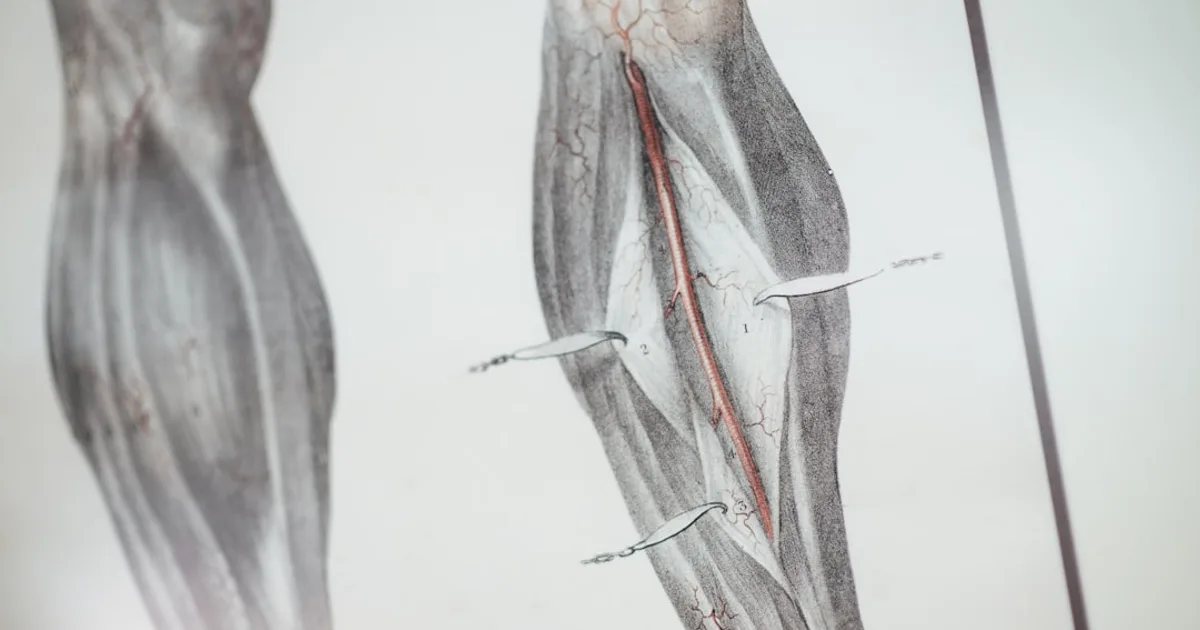
A varicose vein is an abnormally dilated, tortuous, and visible superficial vein under the skin. It results from a malfunction of the venous valves — small flaps that prevent blood from flowing backward in the legs.
When these valves no longer function properly, blood pools in the veins: this is venous insufficiency. Over time, pressure increases, the vein dilates, and becomes varicose.
Key figure: An estimated 23% of adults worldwide are affected by varicose veins, with prevalence increasing with age. Studies suggest that up to 30 to 40% of the population in Western countries will develop some form of chronic venous disease during their lifetime.
Causes and Risk Factors
Primary Causes
The venous insufficiency that causes varicose veins has two main origins:
- Heredity — This is the number one risk factor. If your parents have varicose veins, you have a 60 to 80% probability of developing them.
- Valvular incompetence — Venous valves weaken naturally with age.
Aggravating Factors
- Prolonged standing: at-risk occupations (nurses, retail workers, chefs, hairdressers)
- Sedentary lifestyle: lack of activity reduces venous return
- Overweight and obesity: abdominal pressure impedes venous drainage
- Pregnancy: hormones soften venous walls, blood volume increases
- Heat: vasodilation promotes venous pooling
- Age: venous walls lose their elasticity
Symptoms: How to Recognize Varicose Veins
Early Symptoms
- Heavy legs, especially at the end of the day
- Ankle swelling that worsens in the evening and resolves by morning
- Restless legs or tingling sensations
- Nighttime calf cramps
Advanced Symptoms
- Visible veins — bluish, tortuous, bulging under the skin
- Pain along the course of the varicose veins
- Skin changes: eczema, brown discoloration (hemosiderin staining)
- Venous ulcer: chronic wound near the ankle, the most severe complication
CEAP Classification
Physicians use the CEAP classification to assess severity:
- C0: no visible signs
- C1: telangiectasias (spider veins) and reticular veins
- C2: varicose veins (dilated veins > 3 mm)
- C3: edema
- C4: skin changes (eczema, pigmentation)
- C5: healed ulcer
- C6: active ulcer
Varicose Vein Treatments
1. Conservative Measures
- Compression stockings: class 2 (15-20 mmHg) to class 3 (20-36 mmHg)
- Physical activity: walking, swimming, cycling
- Leg elevation at the end of the day
- Avoid prolonged standing and heat exposure
2. Sclerotherapy
Injection of a sclerosing agent into the diseased vein, causing it to close. Indicated for spider veins and small varicose veins. Performed in the office, without anesthesia.
3. Endovenous Laser Ablation (EVLA)
A laser fiber is introduced into the vein under ultrasound guidance. Thermal energy closes the vein from the inside. Reference technique for great and small saphenous vein varicosities. Outpatient procedure, rapid return to activity. See our complete guide to endovenous laser treatment for more details.
4. Radiofrequency Ablation
Same principle as laser but using radiofrequency energy. Equivalent results, sometimes with less post-procedural discomfort.
5. Traditional Surgery (Stripping)
Removal of the saphenous vein by stripping. A historical technique still used in certain complex cases, but largely replaced by endovenous methods.
Prevention
Varicose veins are not always preventable (genetic factors), but you can slow their appearance:
- Walk at least 30 minutes a day
- Wear compression stockings if you have risk factors
- Avoid prolonged sitting or standing (take breaks)
- Elevate your legs in the evening
- Maintain a healthy weight
- Cool water on the legs after a hot shower
- Avoid direct heat sources on the legs
When to See a Doctor
See a doctor if:
- Your legs are regularly heavy and swollen
- Veins are appearing and growing larger
- The skin around your ankles is changing color
- A varicose vein becomes red, warm, and painful (suspicion of thrombophlebitis)
- A wound near the ankle does not heal
Read also:
- Endovenous Laser Treatment for Varicose Veins
- Exercise and Blood Circulation: Best Activities for You
- Deep Vein Thrombosis: Symptoms, Diagnosis, and Emergency Treatment
Sources: European Society for Vascular Surgery (ESVS) 2022 Guidelines on Management of Chronic Venous Disease, American Venous Forum (AVF), Society for Vascular Surgery (SVS) clinical practice guidelines.
Medical disclaimer: This article is for informational and educational purposes only. It does not constitute medical advice, a diagnosis, or a prescription. The information presented cannot replace a consultation with a qualified healthcare professional. If you have doubts about your health or experience symptoms described in this article, consult your doctor or call emergency services (911 in the US, 999 in the UK, 112 in the EU) in case of emergency. Petit Veinard assumes no liability for the use of this information for self-diagnosis or self-medication.
Frequently asked questions
Are varicose veins dangerous?
At what age do varicose veins appear?
Can varicose veins be cured without surgery?
How much does varicose vein treatment cost?
Do you need to wear compression stockings after treatment?
Petit Veinard Editorial Board
This article was written and reviewed by vascular medicine specialists. Sources: peer-reviewed journals (PubMed), ESVS guidelines, AHA/ACC recommendations, Cochrane Reviews.