Venous Thrombosis: Causes, Symptoms, Treatment, and Prevention
Everything about venous thrombosis: warning signs, risk factors, anticoagulant treatments, and daily tips to protect your legs.
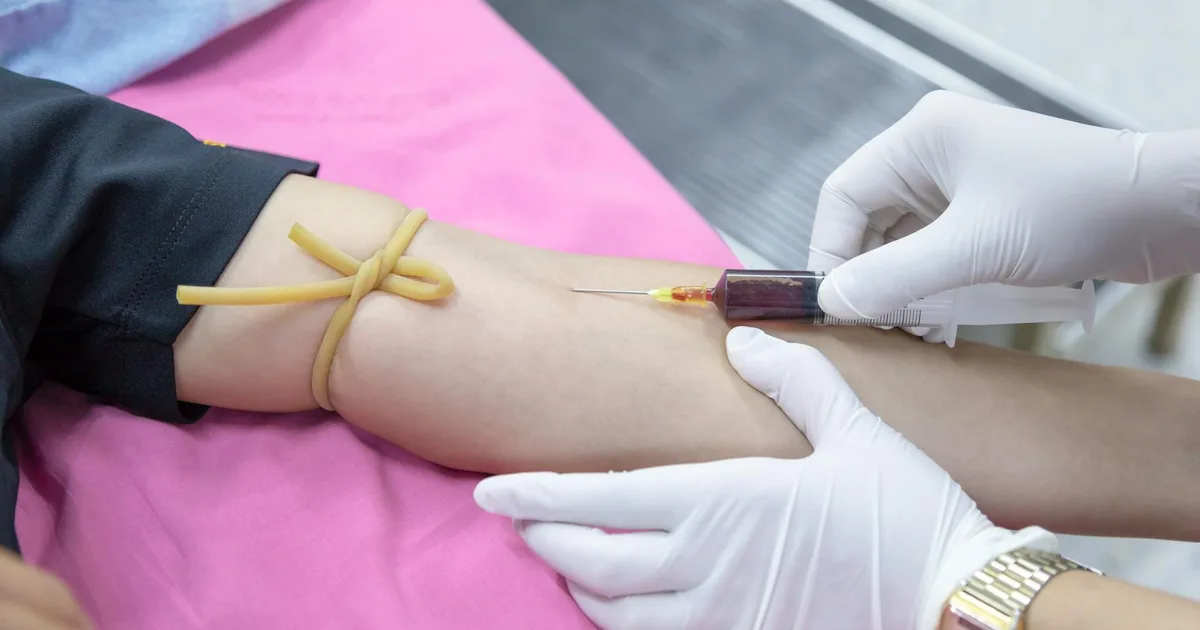
Citable definition: Thrombosis is the formation of a blood clot (thrombus) inside a blood vessel — vein or artery — that partially or completely blocks blood flow. When it affects a deep vein of the leg, it is called deep vein thrombosis (DVT), commonly known as a “blood clot.”
What Is Thrombosis?
Think of your venous system as a network of pipes. Normally, blood flows freely through them. Thrombosis is when a plug forms in one of these pipes, slowing or completely blocking the circulation.
This phenomenon has been recognized in medicine for over a century. In the late 19th century, physiologist J. Bizzozero described in his foundational work (Ueber einen neuen Formbestandtheil des Blutes und dessen Rolle bei der Thrombose und der Blutgerinnung) the central role of platelets in clot formation. Shortly after, Eberth and Schimmelbusch confirmed these mechanisms in their Experimentelle Untersuchungen uber Thrombose, laying the foundations of our modern understanding.
Today, we primarily distinguish:
- Deep vein thrombosis (DVT): the clot forms in the deep veins, most often in the legs. This is the most common form.
- Superficial vein thrombosis: the clot affects a vein visible under the skin, often a varicose vein. Less dangerous, but requires monitoring.
- Pulmonary embolism: the feared complication where the clot detaches and travels to the lungs. This is an absolute medical emergency.
Science is advancing rapidly in understanding the molecular mechanisms involved. A study published in 2026 in Circulation (Tang et al., 2026 — see source 6: Novel Plasma Proteomic Markers and Risk of Venous Thromboembolism, DOI: 10.1161/CIRCULATIONAHA.125.074493) identified new protein markers in the blood that may better predict the risk of venous thromboembolism (blockage of a vein by a clot that has traveled through the circulation). A promising advance for early screening.
What Are the Symptoms of Thrombosis?
Signs vary depending on the location of the clot. Here are the most common, ranked from most to least frequent:
Deep Vein Thrombosis (Leg)
| Symptom | Frequency |
|---|---|
| Pain in the calf or thigh | Very common |
| Swelling (edema) of one limb only | Very common |
| Redness and localized warmth | Common |
| Sensation of heavy leg | Common |
| Visible, swollen superficial vein | Less common |
| Complete absence of symptoms | Significant proportion of cases |
Warning: if you experience sudden chest pain, difficulty breathing, or a rapid heartbeat, call emergency services immediately (911 in the US, 999 in the UK, 112 in the EU). These signs may indicate a pulmonary embolism.
Heavy legs and leg cramps — two of the most common health searches online — are not always signs of thrombosis. But when accompanied by asymmetric swelling (one leg larger than the other), you should seek medical attention without delay. Find more information on these symptoms in our guide on heavy legs and venous circulation.
How Is Thrombosis Diagnosed?
Your doctor will begin with a clinical examination: observing and palpating your legs, evaluating your risk factors, and calculating a clinical probability score (such as the Wells score).
Several tests may then be ordered:
Duplex Ultrasound (Reference Examination)
This is the key test. An ultrasound probe is placed on your skin to visualize the veins and detect the presence of a clot. Painless, with no radiation, it takes approximately 20 to 30 minutes.
Blood Test: D-dimer
D-dimers (fibrin fragments released when a clot dissolves) are measured in the blood. A normal level can often rule out thrombosis. An elevated level, however, is not specific: it can increase during infection, pregnancy, or inflammation.
Thrombophilia Screening (Testing for Predisposition)
In cases of unexplained, recurrent thrombosis, or thrombosis occurring in a young person, your doctor may test for thrombophilia (hereditary or acquired predisposition to clot formation).
What Are the Treatment Options for Thrombosis?
Treatment depends on the location and extent of the clot and your overall health. Only your physician can determine the treatment appropriate for your situation.
Comparative Overview of Treatment Options
| Treatment | Mechanism | Duration | Context |
|---|---|---|---|
| Direct oral anticoagulants (DOACs, e.g., rivaroxaban, apixaban) | Block the coagulation cascade | 3 to 6 months minimum | DVT, pulmonary embolism |
| Heparin (injectable) | Rapid action on coagulation | Days to weeks | Acute phase, hospitalization |
| Vitamin K antagonists (VKAs, e.g., warfarin) | Reduce production of clotting factors | Variable | Specific situations |
| Compression stockings | Reduce venous pooling | Long-term | Complementary treatment |
| Thrombolysis (clot-dissolving medication) | Directly dissolves the clot | Hours | Severe cases, massive embolism |
| Inferior vena cava (IVC) filter | Prevents clot migration to the lungs | Temporary or permanent | Contraindication to anticoagulants |
Anticoagulants are the cornerstone of treatment. They do not dissolve the existing clot but prevent its growth and the formation of new clots, giving the body time to naturally resorb the thrombus. To learn more about direct oral anticoagulants (DOACs), which have revolutionized management, see our dedicated article.
For more on available treatment options, see our section on vascular treatments.
How to Prevent Thrombosis Every Day
The good news: many risk factors are modifiable. Here are concrete steps to reduce your risk:
Movement Is Key
Prolonged immobilization is one of the main risk factors. On a plane, in a car, or at your desk:
- Stand up and walk every 1 to 2 hours
- Perform ankle flexion and extension exercises regularly (30 movements every hour)
- Stay well hydrated (dehydration thickens the blood)
Wear Compression Stockings
Recommended for long travel, pregnancy, varicose veins, or after surgery. They maintain pressure on the veins and promote venous return to the heart. Consult your physician or a vascular specialist to choose the appropriate compression class.
Address Your Risk Factors
- Tobacco: smoking damages blood vessel walls and promotes clotting. Quitting significantly reduces risk.
- Overweight: a high body mass index increases pressure in the leg veins.
- Hormonal contraception: certain oral contraceptives increase thrombosis risk. Discuss this with your gynecologist.
After Surgery
Surgeons routinely prescribe preventive anticoagulants after at-risk procedures (orthopedic, abdominal surgery, etc.). Never stop them without medical advice.
Find all our practical advice in our guide on vascular prevention.
When to Seek Emergency Medical Attention
Certain signs should prompt you to seek immediate medical attention — call emergency services (911 in the US, 999 in the UK, 112 in the EU) or go to the emergency department:
- Sudden chest pain
- Unexplained sudden shortness of breath
- Coughing up blood
- Loss of consciousness or fainting
These symptoms may indicate a pulmonary embolism, a serious complication that is life-threatening.
See your doctor within 24 to 48 hours if you have:
- A recently swollen, red, and painful leg
- Persistent calf pain without explanation
- Asymmetric swelling of the lower limbs
And see your doctor at a scheduled visit if you have:
- A family history of thrombosis
- An upcoming long trip (over 4 hours)
- An ongoing pregnancy with risk factors
- Significant varicose veins with a sensation of heavy legs
Do not hesitate to make an appointment with your primary care physician or a vascular specialist for a complete assessment.
Read also:
- Deep Vein Thrombosis: Symptoms, Diagnosis, and Emergency Treatment
- Pulmonary Embolism: Recognizing a Life-Threatening Emergency
- Direct Oral Anticoagulants (DOACs): Understanding the New Blood Thinners
Sources
-
Bizzozero J. Ueber einen neuen Formbestandtheil des Blutes und dessen Rolle bei der Thrombose und der Blutgerinnung: Untersuchungen. Foundational work on the role of platelets in thrombosis.
-
Eberth JC, Schimmelbusch C. Experimentelle Untersuchungen uber Thrombose. Historical experimental studies on thrombosis mechanisms.
-
Sigg K. Varicen, Ulcus Cruris und Thrombose. 2013. Classic reference on the relationships between varicose veins, ulcers, and thrombosis.
-
Tang W, Li A, Austin TR, Braekkan SK, et al. Novel Plasma Proteomic Markers and Risk of Venous Thromboembolism. Circulation. 2026 Mar 17. DOI: 10.1161/CIRCULATIONAHA.125.074493 — Identification of novel plasma proteomic markers associated with the risk of venous thromboembolism.
Medical disclaimer: This article is for informational and educational purposes only. It does not constitute medical advice, a diagnosis, or a prescription. The information presented cannot replace a consultation with a qualified healthcare professional. If you have doubts about your health or experience symptoms described in this article, consult your doctor or call emergency services (911 in the US, 999 in the UK, 112 in the EU) in case of emergency. Petit Veinard assumes no liability for the use of this information for self-diagnosis or self-medication.
Frequently asked questions
What are the first signs of a blood clot in the leg?
Can leg cramps be a sign of thrombosis?
Can you have a blood clot without visible symptoms?
Petit Veinard Editorial Board
This article was written and reviewed by vascular medicine specialists. Sources: peer-reviewed journals (PubMed), ESVS guidelines, AHA/ACC recommendations, Cochrane Reviews.